

Installing electric vehicle charging infrastructure in remote national forest locations represents one of the most complex challenges you'll face as a forest manager. The successful deployment of EV charging stations in these environments requires strategic planning, innovative technology solutions, and a deep understanding of the unique operational demands of forest service environments.
The transition to electric vehicles within forest service fleets is accelerating, yet the infrastructure to support these vehicles in remote locations remains limited. You must navigate significant obstacles including limited grid connectivity, harsh environmental conditions, and substantial installation costs while maintaining the operational readiness that forest management demands.
Understanding the Unique Challenge of Remote Forest Installations
Remote national forest locations present distinct infrastructure challenges that differentiate them from typical EV charging installations. The primary obstacle you'll encounter is the prohibitive cost of extending electrical grid infrastructure to isolated forest service locations. Traditional grid-connected charging solutions often require expensive utility line extensions that can cost tens of thousands of dollars per mile in mountainous or heavily forested terrain.
Environmental factors compound these infrastructure challenges significantly. Your charging stations must withstand extreme temperature variations, heavy snow loads, intense UV exposure, and potential wildlife interactions. Unlike urban installations protected by buildings and regular maintenance access, forest service charging stations operate in exposed conditions with limited immediate support infrastructure.
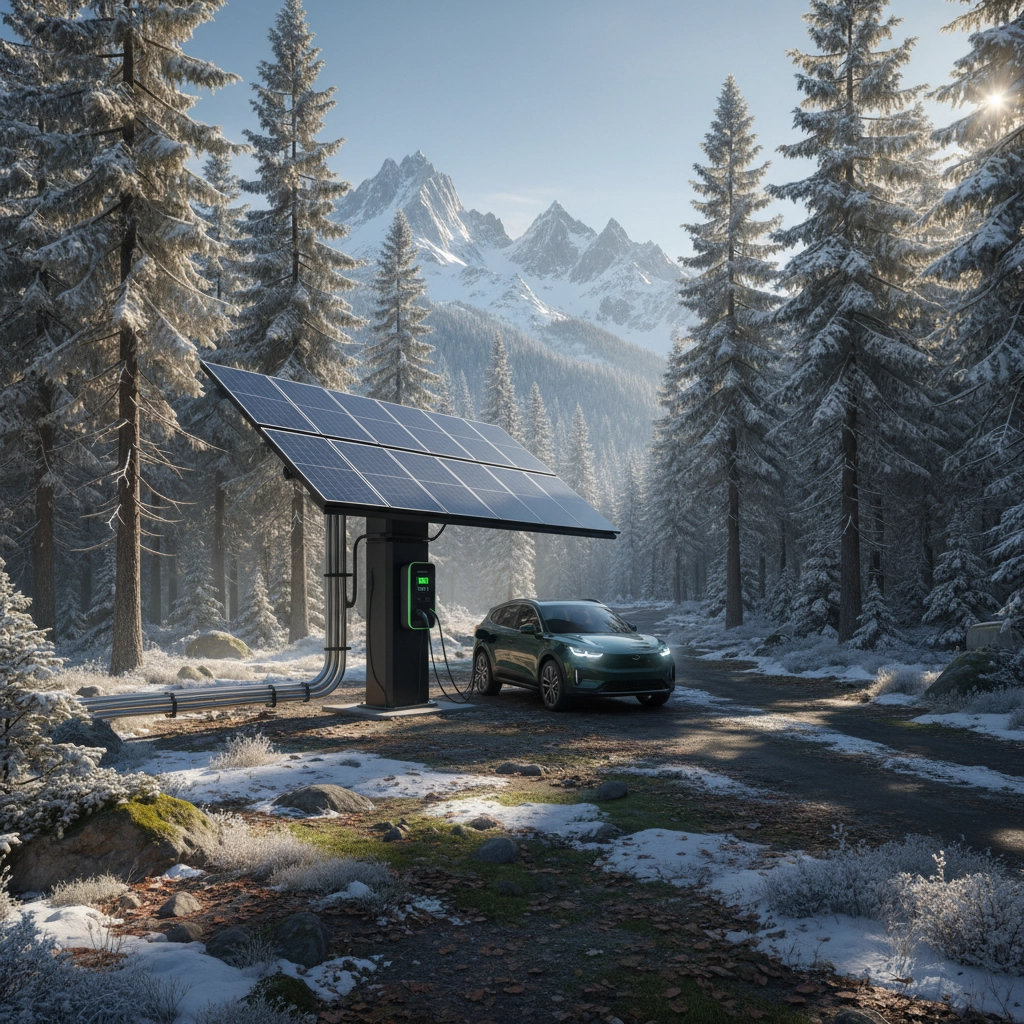
Seasonal accessibility creates additional operational complexity. Many remote forest locations become inaccessible during winter months or extreme weather events, making routine maintenance challenging and emergency repairs potentially impossible. You must plan for extended periods of autonomous operation without regular maintenance intervention.
The geographic isolation of forest service installations also impacts security considerations. Your charging stations require robust construction and anti-tampering features to prevent vandalism or theft while maintaining easy access for authorized forest service personnel and contractors.
Conducting Comprehensive Site Assessment and Planning
Your site selection process forms the foundation of successful remote EV charging installations. Begin by evaluating existing electrical infrastructure within a reasonable distance of your proposed installation site. Even limited electrical service can significantly reduce installation costs compared to completely off-grid solutions.
Assess the topographical characteristics of potential installation sites carefully. Choose locations that provide natural protection from prevailing winds while maintaining solar exposure for renewable energy systems. The installation area should offer level ground for equipment placement and vehicle maneuvering while avoiding flood-prone areas or locations subject to seasonal water accumulation.
Consider the accessibility requirements for your specific forest service operations. Your charging station must accommodate the vehicle types in your fleet, from light-duty pickup trucks to specialized forest service equipment. Plan for adequate clearance around charging pedestals to allow for vehicle positioning and cable management.
Evaluate the proximity to existing forest service facilities and operations centers. Strategic placement near ranger stations, maintenance facilities, or visitor centers can provide operational synergies and enhanced security through regular human presence.
Implementing Solar-Powered Charging Solutions
Solar-powered charging systems represent the most viable technology solution for remote forest service installations. These systems eliminate the need for expensive grid connections while providing reliable charging capacity for forest service fleets. The USDA Forest Service successfully demonstrated this approach at the Wolf Creek Job Corps Civilian Conservation Center, where they deployed a completely off-grid solar charging system in the remote Umpqua National Forest.
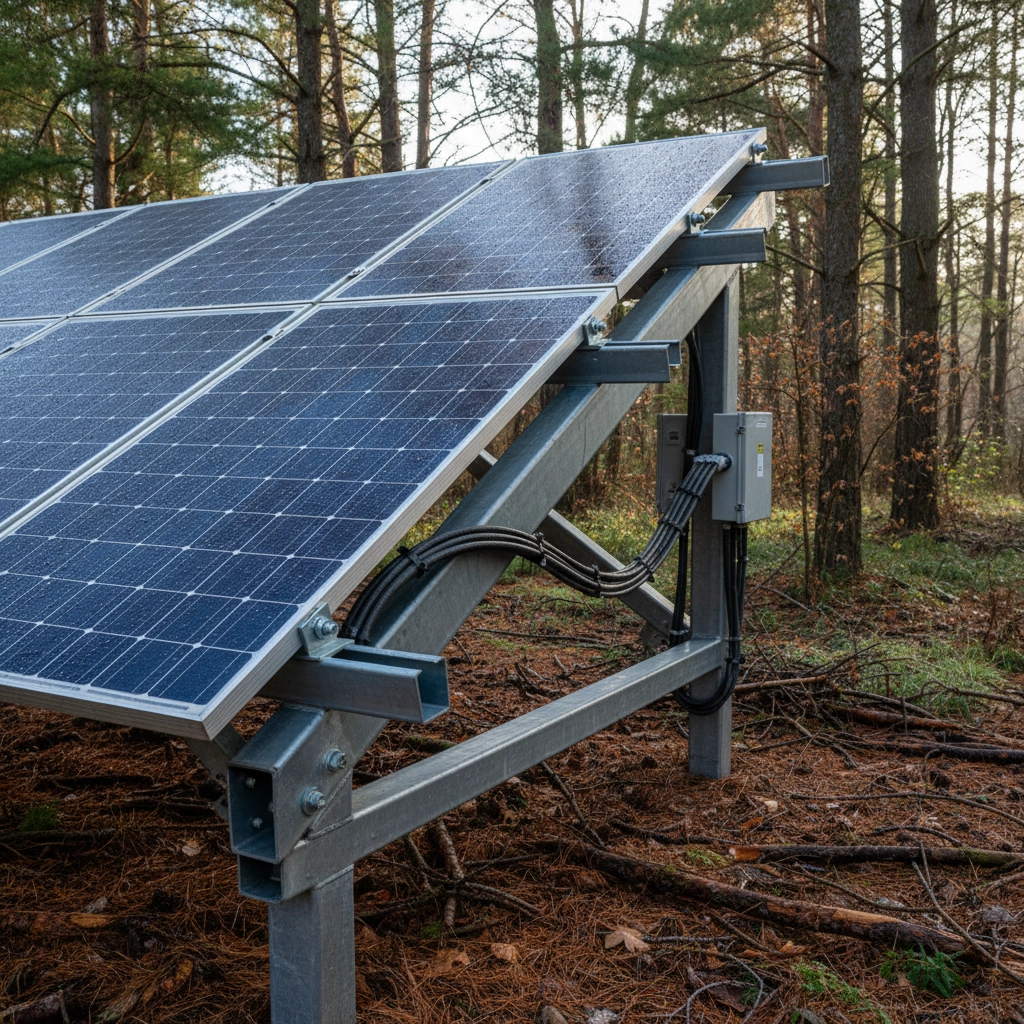
Size your solar array based on your fleet charging requirements and local solar irradiance patterns. Calculate daily energy consumption by multiplying your expected vehicle charging frequency by the average energy requirement per charging session. Add a safety margin of 25-30% to account for weather variability and seasonal solar availability changes.
Battery storage capacity must support charging operations during extended periods of limited solar generation. Design your battery system to provide at least three days of charging capability without solar input to account for severe weather events or equipment maintenance periods.
Consider hybrid renewable energy systems that combine solar generation with small wind turbines in locations with consistent wind resources. These hybrid approaches can provide more consistent energy generation throughout seasonal variations and weather patterns.
Managing Installation Process and Technical Requirements
Your installation process requires careful coordination of equipment delivery, site preparation, and technical installation in remote locations. Plan equipment transportation carefully, considering road weight limits, seasonal access restrictions, and the need for specialized delivery vehicles in rough terrain.
Prepare installation sites according to manufacturer specifications while accounting for additional environmental protection requirements. Install charging pedestals on reinforced concrete foundations designed to withstand frost heave and ground movement common in forest environments.
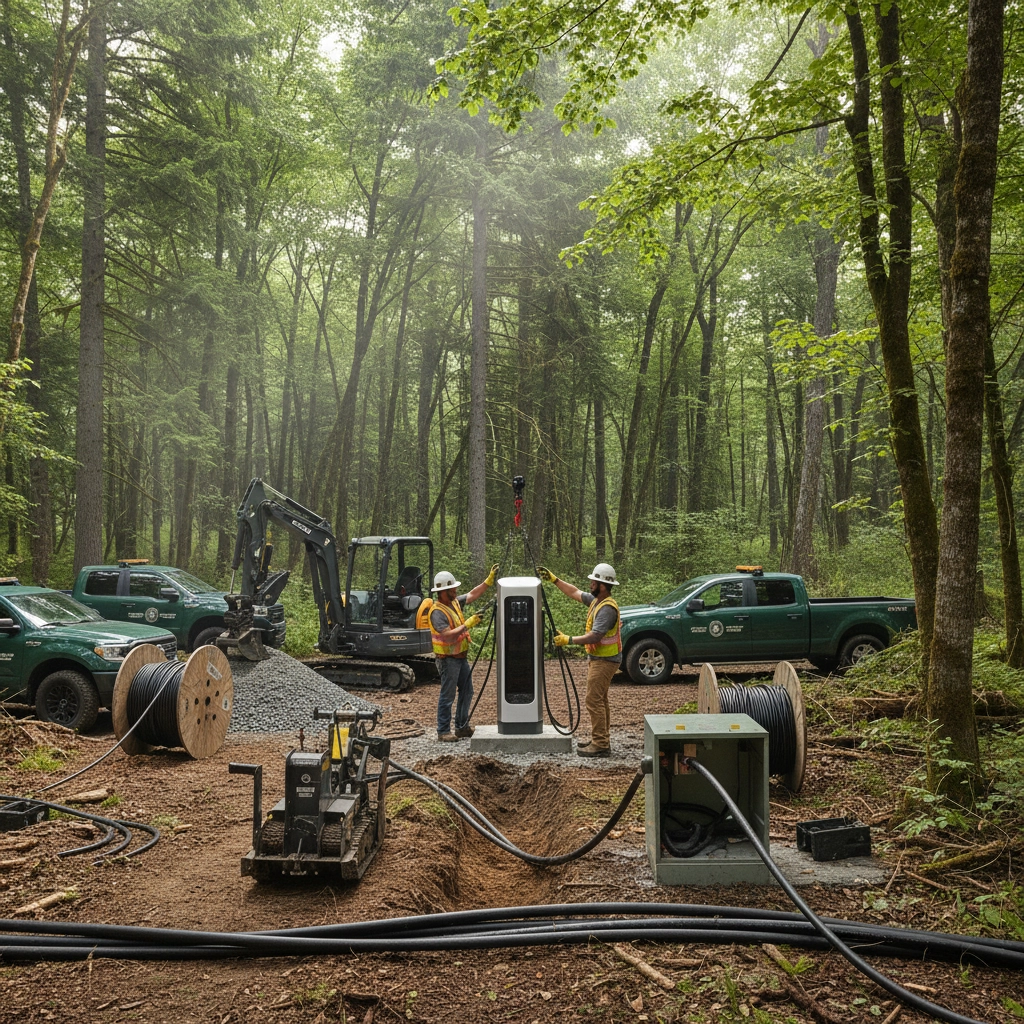
Follow proper electrical connection procedures throughout the installation process. Match ground wires to appropriate terminals and insert exposed wires into corresponding connection points until conductors are fully seated and secure. Use weather-resistant wire management solutions designed for outdoor exposure and potential wildlife interaction.
Install comprehensive weather protection systems including appropriate conduit, junction box sealing, and cable protection measures. All electrical connections require weatherproof enclosures rated for the environmental conditions specific to your installation location.
Implement robust grounding systems that exceed standard electrical code requirements. Forest service installations often experience severe lightning activity, making enhanced grounding protection essential for equipment longevity and safety.
Establishing Maintenance and Operations Protocols
Develop comprehensive maintenance schedules that account for seasonal accessibility limitations and coordinate with other forest service operations. Schedule routine inspections during periods when access roads are reliably open and maintenance personnel can safely reach installation sites.
Create detailed maintenance checklists covering all system components including solar panels, battery systems, charging equipment, and electrical connections. Train forest service personnel to perform basic maintenance tasks and recognize signs of equipment problems requiring professional service.
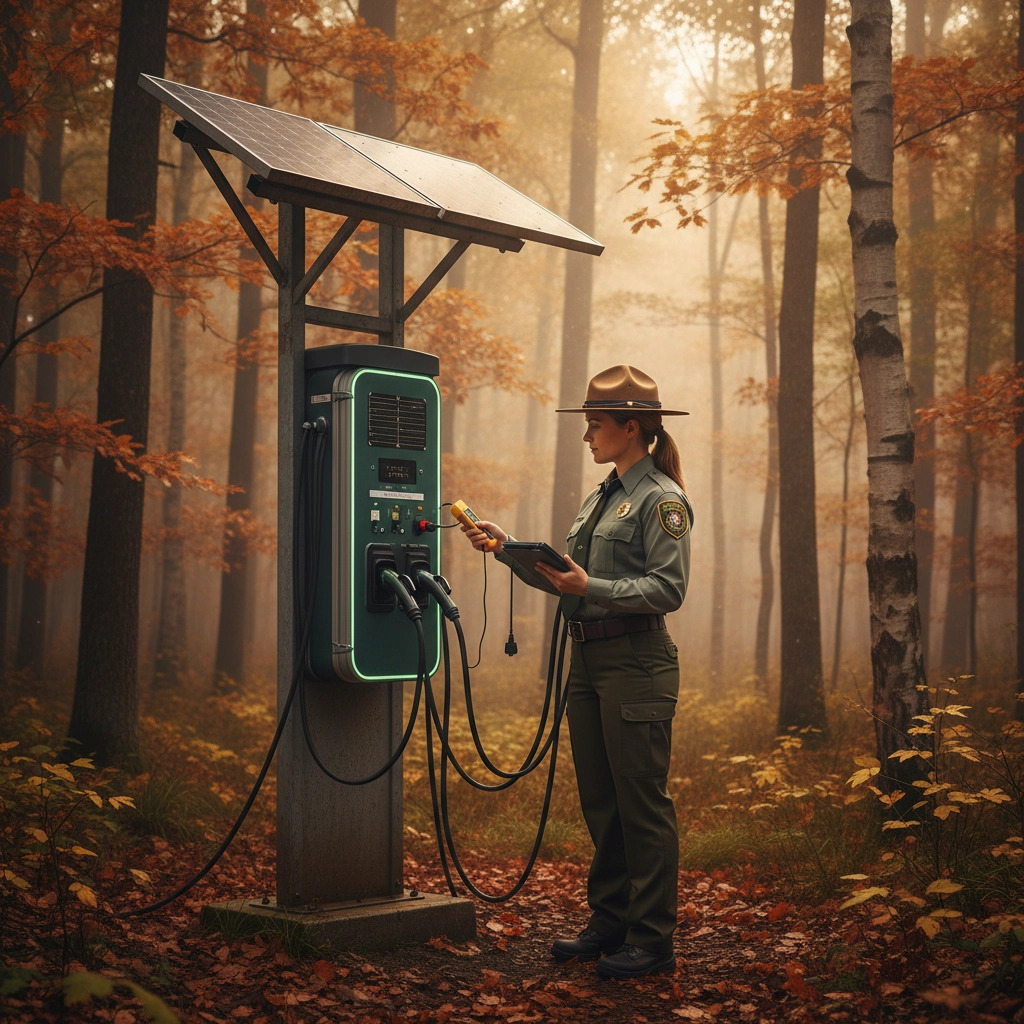
Establish remote monitoring systems where possible to track charging station performance and identify potential issues before they result in system failures. Modern solar charging systems often include cellular or satellite communication capabilities that enable real-time performance monitoring from forest service operations centers.
Plan for emergency repair procedures and maintain spare parts inventory for common component failures. The remote nature of forest service installations makes rapid repair response critical to maintaining operational capability.
Document all maintenance activities and system performance data to support warranty claims and inform future installation planning. This operational data becomes invaluable for optimizing maintenance schedules and predicting component replacement requirements.
Learning from Successful Implementation Examples
The Wolf Creek Job Corps Civilian Conservation Center installation provides a proven model for remote forest service EV charging deployment. This installation successfully serves a five-vehicle fleet using completely solar-powered charging infrastructure, demonstrating the viability of off-grid solutions in challenging forest environments.
This installation overcame the high costs of grid connection through innovative technology selection while maintaining reliable charging capacity for daily forest service operations. The project showcases how proper planning and appropriate technology choices can successfully address the infrastructure challenges inherent in remote forest locations.
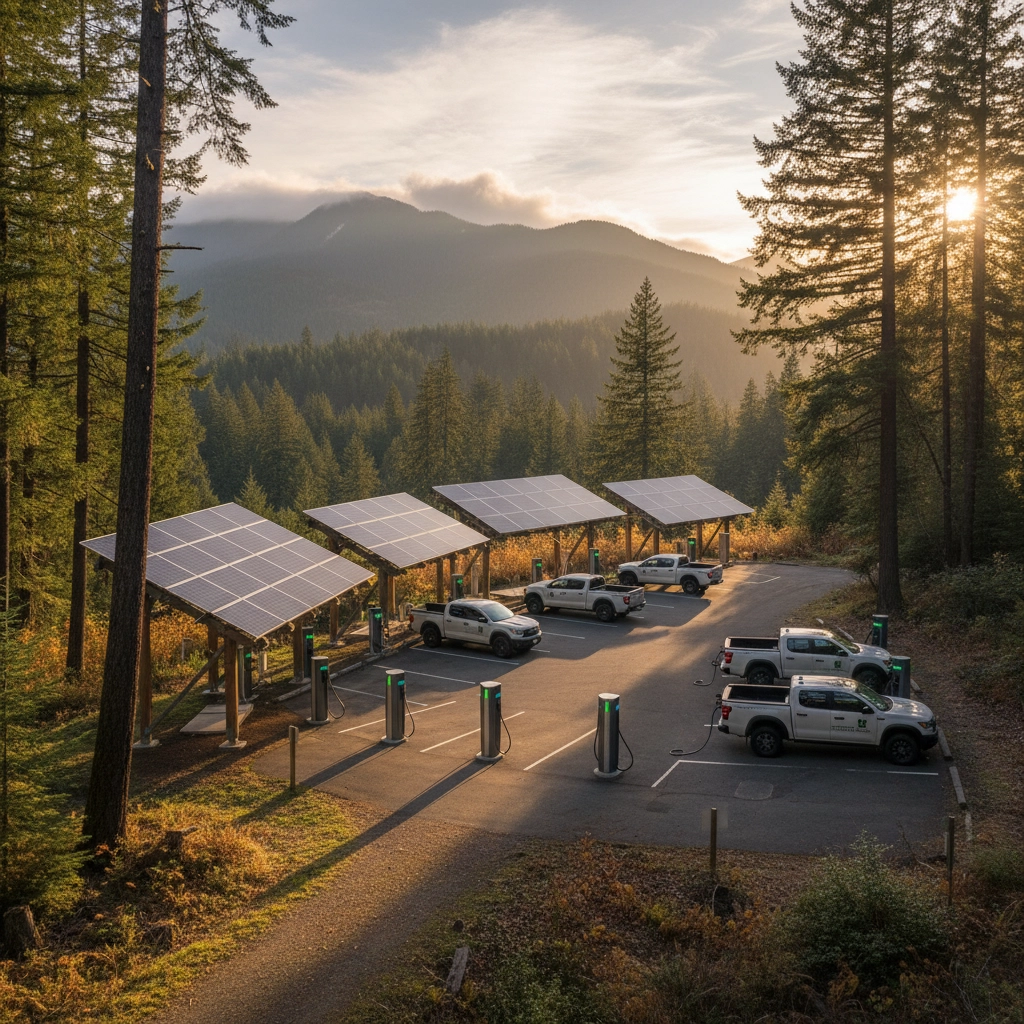
Analyze successful installations like Wolf Creek to inform your own planning process. Consider the specific environmental conditions, fleet requirements, and operational constraints that influenced their technology choices and installation approaches.
Adapt proven solutions to your specific site conditions and operational requirements rather than attempting completely novel approaches. The remote nature of forest service installations makes reliability and proven performance more valuable than cutting-edge technology features.
Your successful implementation of EV charging infrastructure in remote forest locations supports the broader transition to sustainable forest management practices while maintaining operational effectiveness. Proper planning, appropriate technology selection, and comprehensive maintenance protocols ensure your charging infrastructure provides reliable service throughout its operational lifetime, supporting forest service missions while advancing environmental stewardship goals.

