

The harsh reality is that most government facilities are woefully unprepared for prolonged electrical grid outages. When disasters strike and the power goes out for days or weeks, critical operations grind to a halt, emergency responses falter, and public safety hangs in the balance. You cannot afford to let your facility become another casualty of grid failures.
Off-grid EV charging systems represent your most strategic defense against these vulnerabilities. By implementing these solutions now, you transform your facility from a potential liability into a beacon of resilience during the darkest hours of crisis.
Government Facilities Face a Critical Preparedness Gap
Your current emergency plans likely focus on short-term outages lasting a few hours. The President's National Infrastructure Advisory Council delivered a sobering assessment in 2018: existing government plans are ill-equipped to handle catastrophic power outages that stretch across days or weeks.
This preparedness gap affects every level of government. The National Governors Association has made grid outage preparedness a priority issue, convening emergency roundtables precisely because state and local governments recognize their current inadequacy. You must acknowledge that your facility's basic backup generators and limited battery systems cannot sustain operations through extended grid failures.
Consider what happens when your conventional charging infrastructure fails. Your fleet vehicles sit idle. Emergency responders cannot deploy. Critical services shut down. The cascading effects multiply rapidly, transforming a power outage into a comprehensive operational failure.

Off-Grid EV Charging Delivers Operational Continuity When You Need It Most
Your facility requires independence from grid fluctuations and complete outages. Off-grid EV charging systems provide exactly this capability, ensuring your critical operations continue regardless of external power conditions.
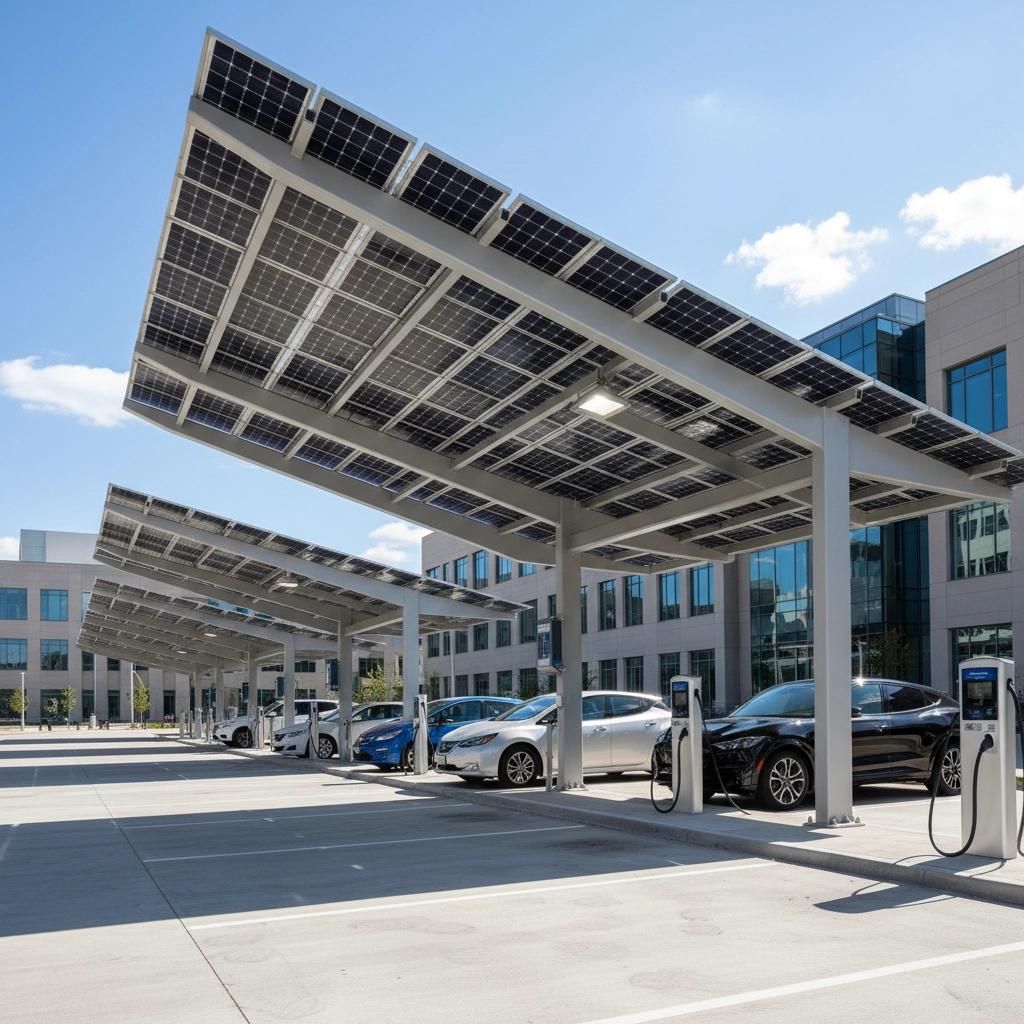
Install solar-powered charging stations with battery storage, and you maintain fleet mobility even during widespread infrastructure failures. Your emergency vehicles remain operational. Your administrative staff can continue essential functions. Your facility becomes a stable anchor in the chaos of grid instability.
The technology exists today to make this transformation. Modern off-grid charging systems harness renewable energy sources like solar and wind, storing power in high-capacity battery banks that sustain charging operations for extended periods. You gain complete energy independence for your transportation needs.
Your Fleet Becomes a Mobile Power Resource
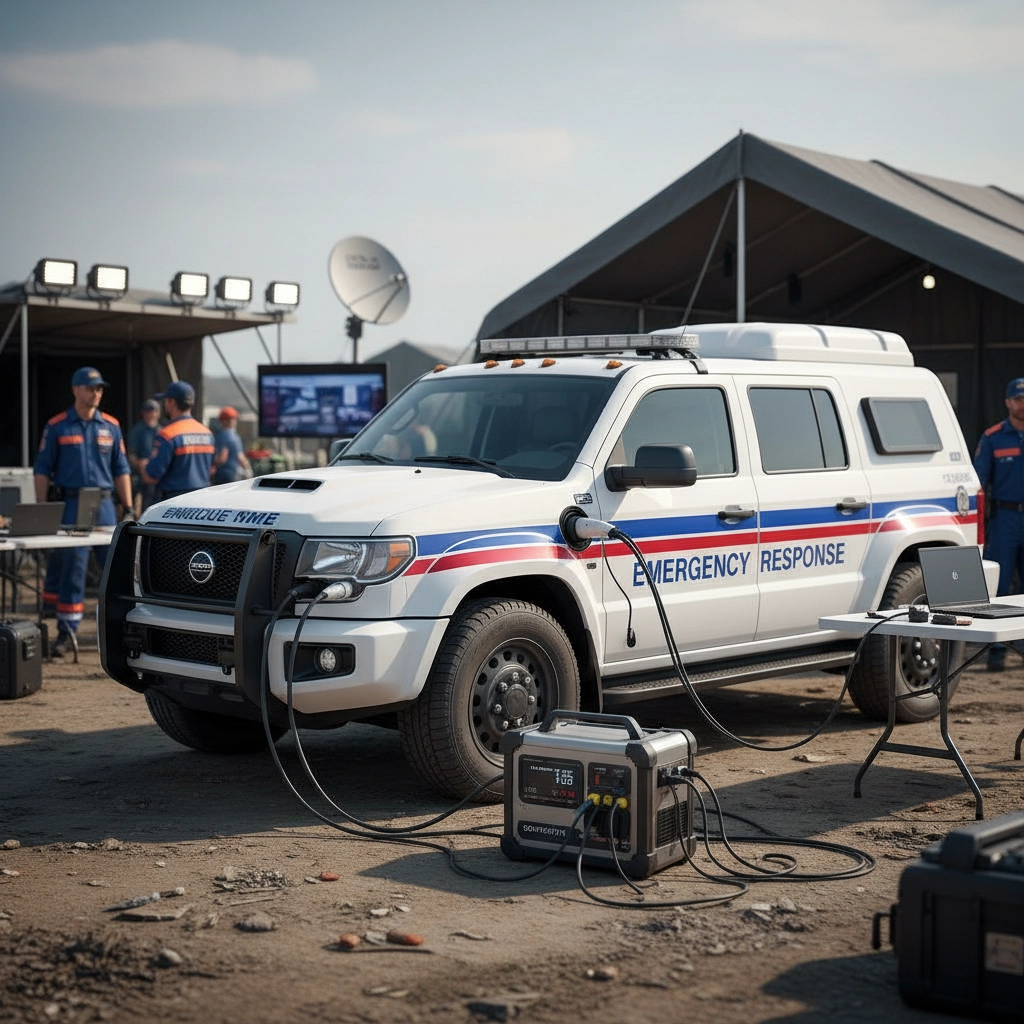
Off-grid charging systems with bidirectional capabilities transform your government fleet into a distributed energy network. Your vehicles no longer simply consume power: they become mobile power sources capable of energizing critical equipment during emergencies.
Deploy your EVs to power temporary command centers, communication systems, and medical equipment in disaster zones. Your fleet extends your facility's emergency response reach far beyond your building's walls. This capability proves invaluable during natural disasters, security incidents, or infrastructure attacks that compromise traditional power sources.
Configure your charging infrastructure to support vehicle-to-grid and vehicle-to-load technologies. Your EVs can backfeed power to your facility's critical systems, providing backup power that traditional generators cannot match for reliability and environmental impact.
Strategic Implementation Delivers Long-Term Value
Calculate the total cost of grid dependency over the next decade. Factor in rising utility costs, infrastructure upgrade fees, and the operational costs of power outages. Off-grid charging systems often provide superior long-term value despite higher initial investments.
Your facility achieves immediate cost savings through eliminated utility bills for vehicle charging. You reduce dependency on external power sources that face increasing stress from extreme weather events and aging infrastructure. You build resilient systems that serve multiple strategic purposes simultaneously.
Scale your off-grid charging capacity without requesting utility upgrades or waiting for grid improvements. Add charging stations as your fleet expands. Integrate additional renewable energy sources as technology advances. Your system grows with your needs rather than constraining your expansion.
Environmental Leadership Strengthens Your Mission
Position your facility as an environmental leader through zero-emission transportation powered entirely by renewable energy. Your off-grid EV charging creates a complete sustainable cycle that eliminates both direct emissions and indirect power grid dependencies.
This environmental leadership strengthens your facility's mission while providing practical emergency preparedness benefits. You demonstrate fiscal responsibility through reduced operating costs and environmental stewardship through clean energy utilization.
Document and publicize your sustainability achievements. Your off-grid charging implementation becomes a model for other government facilities, enhancing your organization's reputation while contributing to broader environmental goals.
Critical Implementation Steps You Must Take
Start by conducting a comprehensive energy audit of your current vehicle charging needs. Determine peak power requirements, daily energy consumption, and growth projections for your fleet. This baseline assessment guides your off-grid system sizing and configuration decisions.
Evaluate your facility's renewable energy potential. Assess available roof space for solar panels, land area for ground-mount systems, and wind resources for turbine installations. Your site conditions determine the most effective off-grid charging design for your specific location.
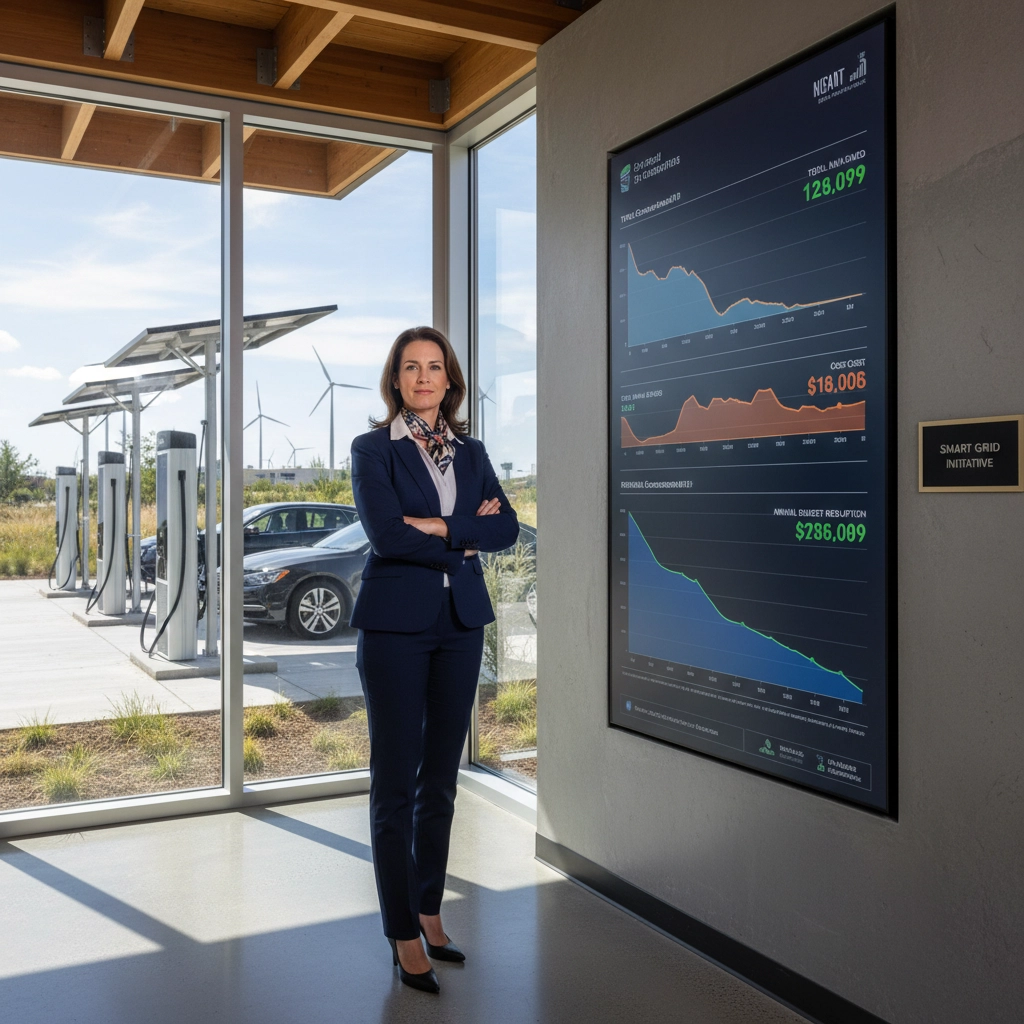
Develop emergency protocols that integrate off-grid charging capabilities with your broader crisis response plans. Train facility personnel on system operation during emergencies. Establish clear procedures for prioritizing vehicle charging during extended outages when stored energy becomes limited.
Coordinate with local utility companies and emergency management agencies even as you build off-grid capabilities. Maintain emergency contact information and develop joint planning protocols. Your off-grid systems complement rather than replace coordination with external emergency response networks.
The Time for Action Is Now
Grid vulnerabilities continue increasing as extreme weather events intensify and infrastructure ages. Cyberattacks target power systems with growing sophistication. Supply chain disruptions threaten grid stability. You cannot wait for the next crisis to expose your facility's vulnerabilities.
Government facilities that invest in off-grid EV charging today position themselves as resilient anchors in their communities. Your facility becomes capable of maintaining essential services when others fail. Your emergency response capabilities remain intact when traditional infrastructure collapses.

The technology is proven. The benefits are measurable. The risks of inaction are escalating. Your facility's preparedness for grid outages determines whether you lead effective emergency responses or become another casualty requiring rescue resources.
Begin your off-grid EV charging assessment immediately. Contact project management specialists who understand government facility requirements and emergency preparedness protocols. Transform your facility from vulnerable to resilient before the next crisis tests your preparedness.
Your community depends on your facility's continued operation during emergencies. Off-grid EV charging ensures you can meet that responsibility regardless of grid conditions. The question is not whether you can afford to implement these systems: it is whether you can afford to face the next major outage without them.

