

The National Electric Vehicle Infrastructure (NEVI) Formula Program represents the largest federal investment in EV charging infrastructure in U.S. history. With $5 billion allocated over five years through the Infrastructure Investment and Jobs Act, 2025 has emerged as a pivotal year for government agencies to secure funding and accelerate project deployment.
Recent regulatory changes have dramatically simplified the application process while maintaining essential infrastructure standards. You now have unprecedented flexibility to site charging stations where they're most needed, coupled with streamlined approval pathways that can cut months from traditional project timelines.
Understanding NEVI Program Fundamentals
The NEVI Formula Program distributes federal funding directly to states based on established formulas, eliminating complex competitive grant processes. You receive funding allocation based on your state's highway miles and vehicle registrations, creating predictable revenue streams for multi-year infrastructure planning.
Federal funding covers up to 80% of total project costs, requiring a 20% match from private sector partners. This public-private partnership model accelerates deployment by leveraging commercial expertise while maintaining public oversight of critical infrastructure investments.
Your primary deployment responsibility focuses on designated Electric Vehicle Alternative Fuel Corridors (AFCs) along major highway systems. Once these corridors achieve full buildout, you gain flexibility to deploy remaining funds anywhere within your state boundaries, opening opportunities for urban centers, rural communities, and specialized government facilities.
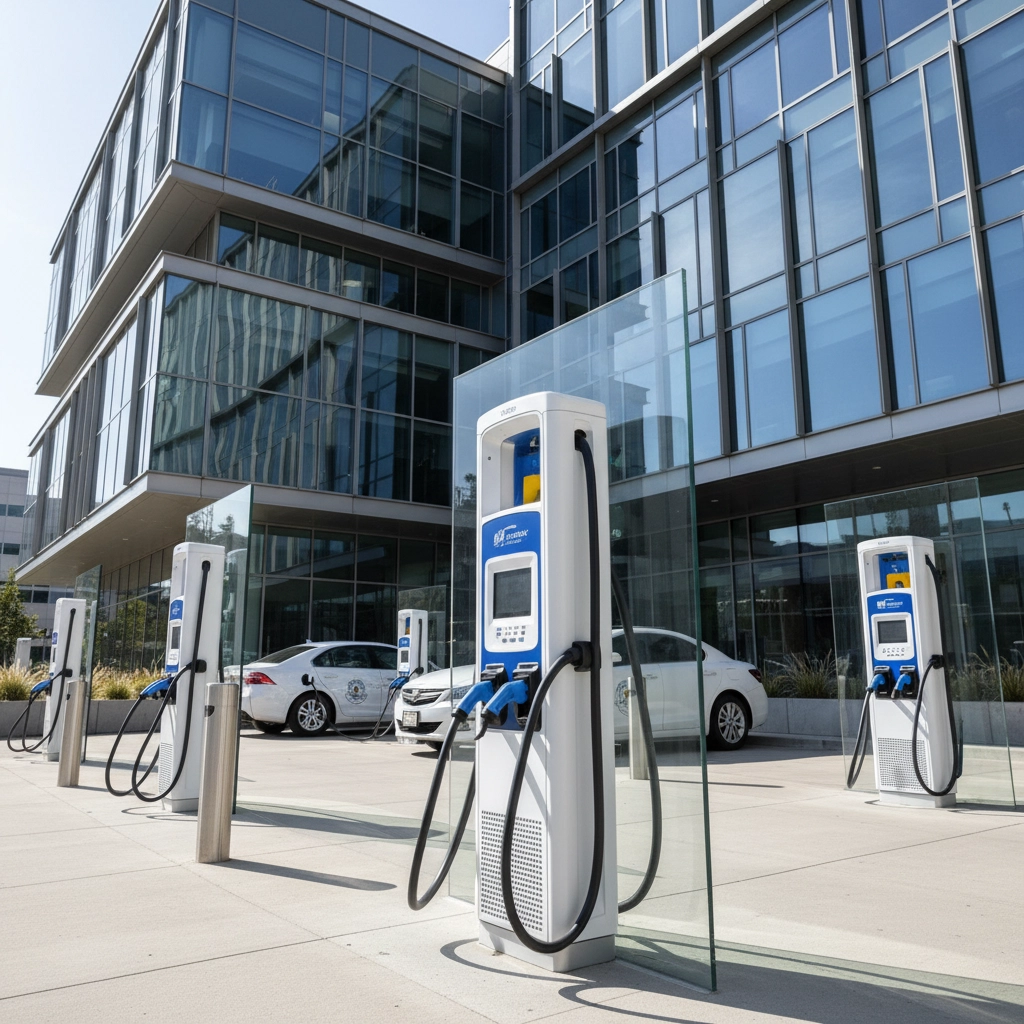
The August 2025 Game-Changer: New Flexibility Rules
The U.S. Department of Transportation released updated NEVI guidance on August 11, 2025, fundamentally reshaping how you can approach project deployment. This guidance replaces all previous requirements and creates immediate opportunities for agencies ready to act quickly.
The most significant change eliminates the restrictive 50-mile spacing requirement between charging stations. Previously, this rule created artificial barriers that forced suboptimal site selection and delayed deployments in areas with suitable infrastructure. You can now prioritize locations based on actual demand patterns, grid connectivity, and development readiness rather than arbitrary distance measurements.
States now enjoy greater discretion in site selection and deployment strategies. The updated guidance explicitly encourages utilization of charging locations where the charging station operator also serves as the site host, streamlining negotiations and reducing development complexity.
This regulatory shift responds directly to real-world deployment challenges identified during the program's initial years. You benefit from lessons learned across all states, allowing your projects to avoid common pitfalls while capitalizing on proven success strategies.
Strategic Fast-Tracking: Your Step-by-Step Action Plan
Identify Shovel-Ready Projects Immediately
Begin by cataloging existing sites with established electrical infrastructure, parking capacity, and necessary permits already in progress. These locations offer the fastest path from funding approval to operational charging stations. Focus on government facilities, public parking areas, and locations with existing utility partnerships.
Secure Private Sector Partnerships Early
Your 20% matching requirement demands committed private partners before application submission. Reach out to established charging network operators who bring both financial resources and operational expertise. These partnerships often accelerate permitting processes through existing utility relationships and proven site development protocols.
Leverage State-Level Coordination
Connect immediately with your state DOT representatives managing NEVI plan development. States must resubmit their NEVI plans by September 12, 2025, to access previously frozen funding. Your early engagement ensures your priority projects receive consideration in updated state deployment strategies.
Prioritize High-Impact Locations
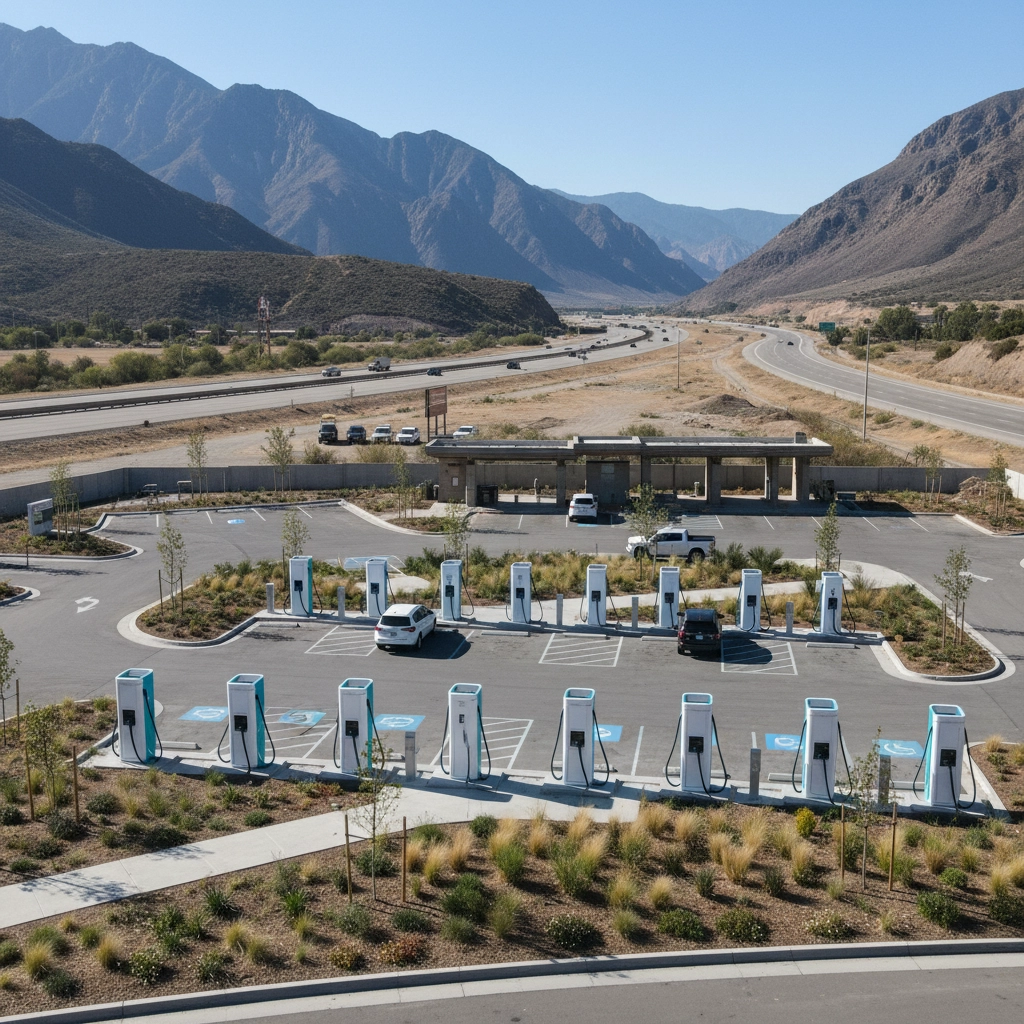
Focus on sites that maximize public benefit while meeting technical requirements efficiently. Government complexes, regional airports, and major employment centers often provide optimal combinations of demand, accessibility, and infrastructure readiness. These locations frequently offer additional benefits like enhanced security and maintenance capabilities.
Meeting Technical Requirements Without Delays
NEVI projects must install minimum configurations of four charging ports per station, each capable of 150 kW output. These specifications ensure future-ready infrastructure that accommodates evolving vehicle technologies and increasing power demands.
Plan your electrical infrastructure to exceed minimum requirements where feasible. Installing higher capacity electrical service during initial construction costs significantly less than future upgrades. Consider 200 kW or 350 kW capability where grid connections support enhanced power levels.
Your stations must provide 24/7 public access with payment processing accepting major credit cards without requiring membership or special applications. This accessibility requirement ensures maximum public benefit while supporting interstate travel capabilities that justify federal investment.
Data reporting through the EV-ChART tool requires quarterly submissions documenting station utilization, maintenance records, and operational status. Establish data collection protocols during initial deployment to streamline ongoing compliance requirements.
Navigating the Critical September 2025 Deadline
States face a firm September 12, 2025 deadline for resubmitting NEVI plans to access remaining fiscal year 2022-2026 funding that has been frozen since February 6, 2025. This 30-day window from the August guidance release creates urgent opportunities for prepared agencies.
Your immediate priority involves connecting with state transportation officials to ensure your priority projects receive inclusion in updated state plans. States that miss this deadline may face funding reallocation to other states, making early coordination essential for securing your share of available resources.

Prepare comprehensive project documentation including site surveys, utility assessments, permitting status, and confirmed private partnerships. States will prioritize projects demonstrating development readiness and clear pathways to operational status within required timeframes.
Maximizing Your Competitive Advantage
Combine Funding Sources Strategically
Layer NEVI funding with complementary federal, state, and local incentive programs. Many states offer additional rebates or tax incentives that can reduce or eliminate your required 20% match. Research programs like California's $55 million fast charger initiative that provides up to 100% installation cost coverage for qualifying projects.
Develop Regional Partnerships
Coordinate with neighboring jurisdictions to create charging networks that span multiple government entities. Regional approaches often achieve better economies of scale while demonstrating comprehensive planning that appeals to state funding reviewers.
Plan for Future Expansion
Design initial installations with expansion capabilities built into electrical infrastructure and site layouts. This forward-thinking approach positions you for additional funding rounds while maximizing long-term value from initial investments.
Taking Action: Your Next Steps
Contact your state DOT NEVI coordinator immediately to discuss project inclusion in the September plan resubmission. Time sensitivity cannot be overstated – states working with prepared local partners will move fastest through the approval process.
Finalize private sector partnerships with committed matching funds and operational agreements. Document these partnerships thoroughly to demonstrate project viability during state review processes.
Begin permitting and environmental review processes for priority sites. Even preliminary approvals strengthen your position during state plan development and demonstrate serious commitment to project completion.
The 2025 NEVI funding opportunity represents a unique convergence of available capital, simplified regulations, and urgent deployment timelines. Government agencies that act decisively during this critical window will secure infrastructure investments that serve their communities for decades while positioning themselves as leaders in the national transition to electric transportation.
Connect with EV Across USA's project management services to streamline your NEVI application process and ensure your projects meet all technical requirements while maximizing available funding opportunities.

