

The United States Forest Service has cracked the code on one of the most challenging aspects of EV infrastructure deployment: bringing charging capabilities to remote locations where traditional grid connections are either impossible or prohibitively expensive. Their innovative off-grid framework represents a fundamental shift in how you should approach EV infrastructure in areas where conventional solutions simply won't work.
Understanding the Remote Infrastructure Challenge
Remote locations face unique obstacles that make traditional EV charging infrastructure nearly impossible to implement. The high financial cost of installing electrical infrastructure in areas with limited grid access has historically created barriers that seem insurmountable. When you're dealing with national forests, rural communities, or isolated facilities, the expenses associated with utility hookups, trenching, permitting, and construction can easily reach hundreds of thousands of dollars.
The timeline challenges compound these financial barriers. Traditional grid-tied installations require extensive coordination with utility companies, environmental impact assessments, and lengthy permitting processes that can stretch projects across multiple years. For organizations needing immediate EV support, these delays create operational bottlenecks that can derail entire electrification initiatives.

Consider the environmental disruption factor as well. Remote locations often exist in sensitive ecosystems where trenching for electrical lines would cause significant ecological damage. The Forest Service recognized that any viable solution needed to minimize environmental impact while maximizing deployment speed and cost-effectiveness.
The Solar-Powered Off-Grid Solution Framework
The Forest Service's breakthrough approach centers on standalone solar-powered charging stations that operate completely independently of grid infrastructure. These systems generate 100% renewable power through overhead photovoltaic canopies, eliminating the need for any external electrical connections.
The framework's core principle revolves around self-sufficiency. Instead of extending grid infrastructure to remote locations, you bring the power generation directly to the charging point. This approach transforms what was once an insurmountable infrastructure challenge into a manageable deployment project.
Key technological components include:
- Integrated solar canopy systems that provide both weather protection and power generation
- Standalone base platforms where vehicles park directly on the charging station
- Extended reach capabilities allowing single units to serve multiple parking spaces
- Modular design architecture enabling rapid on-site assembly from trailer-delivered components
Case Study: Wolf Creek's Pioneering Implementation
The Wolf Creek Job Corps Civilian Conservation Center in Oregon's Cascade Range serves as the flagship example of this framework in action. Located deep within the remote Umpqua National Forest, this residential campus faced seemingly impossible barriers to EV infrastructure implementation due to its isolated location.
The installation process at Wolf Creek demonstrates the framework's revolutionary efficiency. The entire project required zero trenching, permitting, construction work, electrical infrastructure, or utility coordination. The system arrived on a single flatbed trailer and was assembled on-site by a contractor's crew without any environmental disruption.
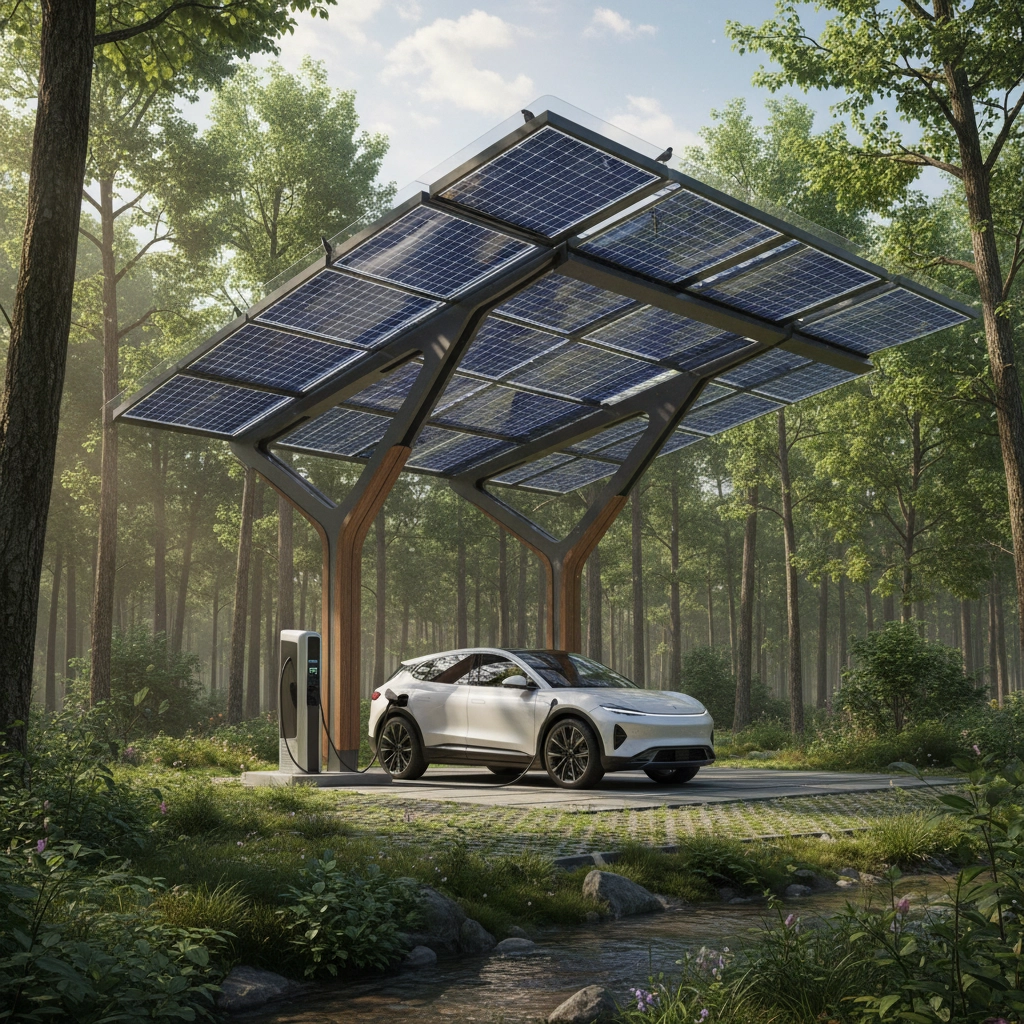
Currently, the Wolf Creek station supports a diverse fleet including Ford Fusion and Chrysler Pacifica plug-in hybrid electric vehicles, two neighborhood electric vehicles, and plans accommodate a Ford F-150 Lightning. This versatility proves the system's ability to handle various vehicle types and charging requirements simultaneously.
The station's transportable nature adds another layer of operational flexibility. The Forest Service can redeploy the entire charging infrastructure within their network of Job Corps Centers to support evolving demand patterns or emergency response needs.
Technical Implementation and Smart Connectivity
The installation process represents a complete departure from traditional infrastructure development. You can deploy these systems without the typical challenges that plague grid-tied installations. The elimination of utility delays, permitting bottlenecks, and construction coordination means you can move from planning to operational status in weeks rather than years.
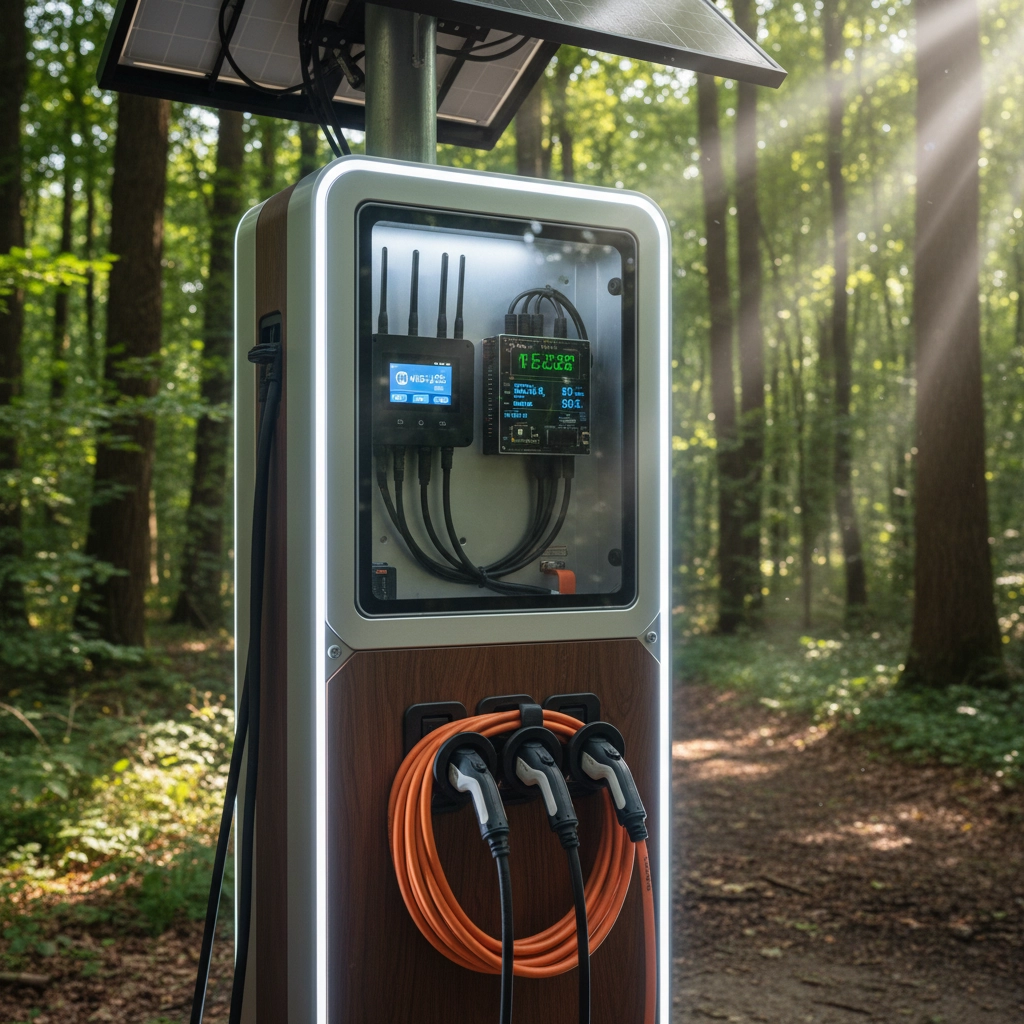
Smart connectivity features enhance the operational capabilities significantly. The Forest Service plans to install Wi-Fi range extenders that enable real-time connectivity with nearby offices, allowing remote monitoring of charging session status and system performance. This connectivity provides fleet managers with essential data for optimizing usage patterns and maintenance scheduling.
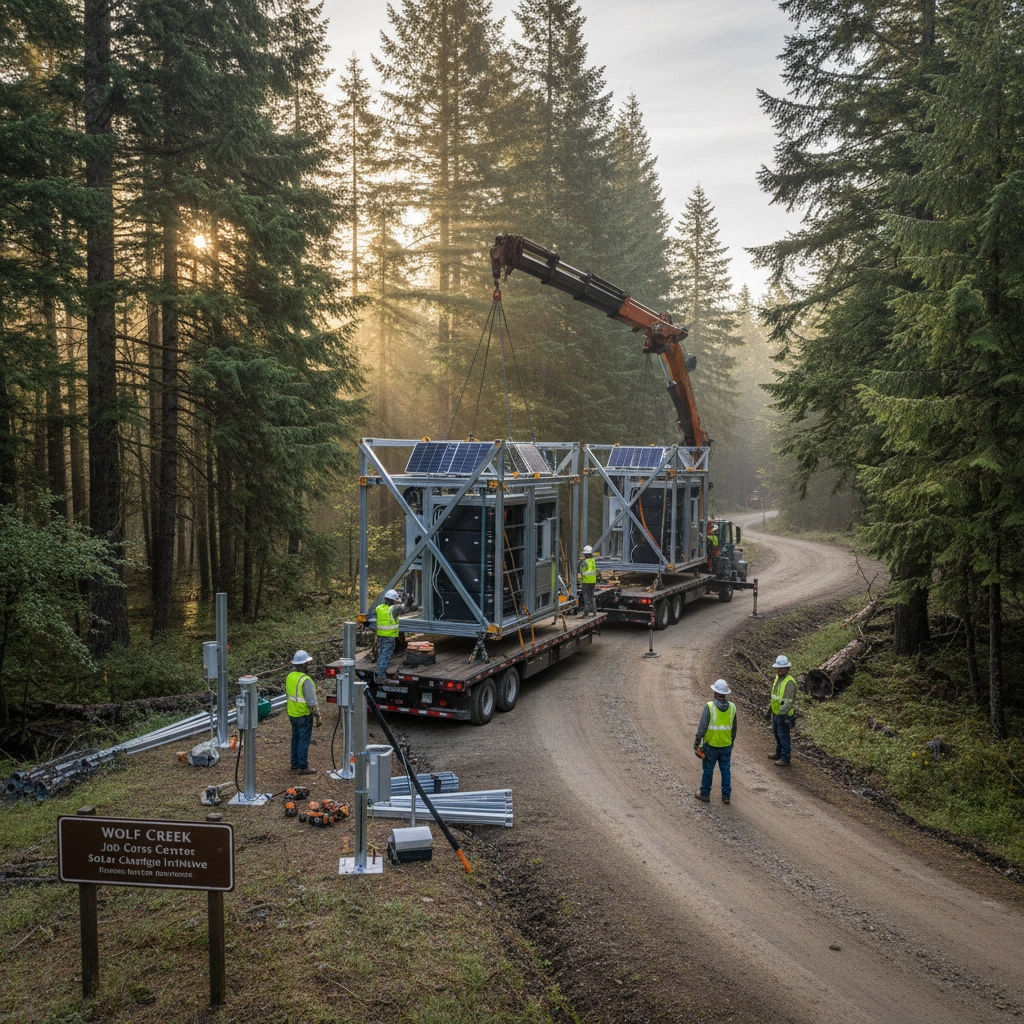
The modular design philosophy ensures scalability and adaptability. As your charging needs evolve, you can expand the system's capacity or reconfigure the setup without major infrastructure modifications. This flexibility proves particularly valuable in remote locations where future expansion requirements may be difficult to predict.
Policy Support and Funding Opportunities
The National Electric Vehicle Infrastructure (NEVI) program has recognized the value of grid-independent solutions, with recent policy changes allowing NEVI funds to cover fast, grid-independent deployments. This shift acknowledges that off-grid solutions can provide immediate deployment capabilities while traditional grid infrastructure development progresses.
You can now access federal funding for 180 kW fast chargers and other off-grid solutions that previously fell outside NEVI guidelines. This policy evolution reflects growing recognition that remote infrastructure challenges require innovative approaches beyond traditional grid extension projects.
The framework directly supports federal sustainability requirements outlined in Executive Order 14057, helping agencies reduce fleet carbon emissions through on-site, carbon pollution-free electricity generation. This alignment with federal environmental goals strengthens funding applications and regulatory approval processes.
Operational Benefits and Cost Advantages
Off-grid charging solutions deliver unique operational advantages that traditional grid-tied systems cannot match. The elimination of demand charges significantly reduces ongoing operational costs, as you're not subject to utility rate structures and peak demand penalties that can dramatically increase monthly expenses.
Primary operational benefits include:
- Immediate deployment capability without utility coordination delays
- Cost efficiency through eliminated demand charges and grid connection fees
- Operational resilience that maintains functionality regardless of local grid outages
- Flexibility for redeployment as traffic patterns and demand locations change
- Scalable power generation that complies with environmental standards
The environmental compliance benefits extend beyond carbon reduction. These systems operate with zero emissions at the point of use and generate power through renewable sources, supporting comprehensive sustainability initiatives.
Future Applications and Scaling Opportunities
The success of the national forests framework opens possibilities for broader applications across various sectors. Rural communities facing similar infrastructure challenges can adapt these solutions to support local EV adoption without requiring expensive grid extensions.
Emergency response organizations can utilize the transportable nature of these systems to provide temporary charging infrastructure during natural disasters or other situations where grid infrastructure becomes compromised. The ability to rapidly deploy and redeploy charging capabilities creates strategic advantages for disaster preparedness and response coordination.
Private sector applications include remote work sites, agricultural operations, and recreational facilities where traditional grid access is limited or cost-prohibitive. Construction companies, mining operations, and other industrial users can implement similar frameworks to support their electrification initiatives.
The framework demonstrates that remote infrastructure challenges, once considered insurmountable barriers to EV adoption, can be transformed into manageable deployment projects through innovative thinking and proven technology solutions.
Take action now by evaluating your own remote infrastructure challenges through this off-grid lens. The technologies and strategies pioneered by the Forest Service are available for implementation across diverse applications, offering you the opportunity to overcome traditional barriers and accelerate your electrification timeline significantly.

