

Most government agencies think NEVI funding only works with grid-connected chargers… until they discover how off-grid solar systems are unlocking millions in federal dollars for remote locations.
The National Electric Vehicle Infrastructure (NEVI) Formula Program represents the largest federal investment in EV charging infrastructure in U.S. history. With $5 billion allocated through 2026, this program is transforming how we think about electric vehicle accessibility across America. But here's what most people don't realize: off-grid solutions aren't just eligible for NEVI funding: they're often the smartest choice for rural and hard-to-serve regions.
Understanding NEVI's Core Requirements
NEVI funding comes with specific mandates designed to ensure charging infrastructure meets federal standards for accessibility, reliability, and performance. These requirements include:
- Minimum Power Output: 150 kW DC fast charging capability
- Connector Standards: CCS and CHAdeMO compatibility
- Uptime Requirements: 97% operational availability
- Spacing Standards: Stations every 50 miles along Alternative Fuel Corridors
- Payment Systems: Open-access, multiple payment options
- American Manufacturing: Buy America provisions for key components
The challenge? Many rural locations struggle to meet these standards due to grid limitations, high utility connection costs, and unreliable power infrastructure. This is where off-grid solutions shine.
Why Off-Grid Solar Carports Excel at NEVI Compliance
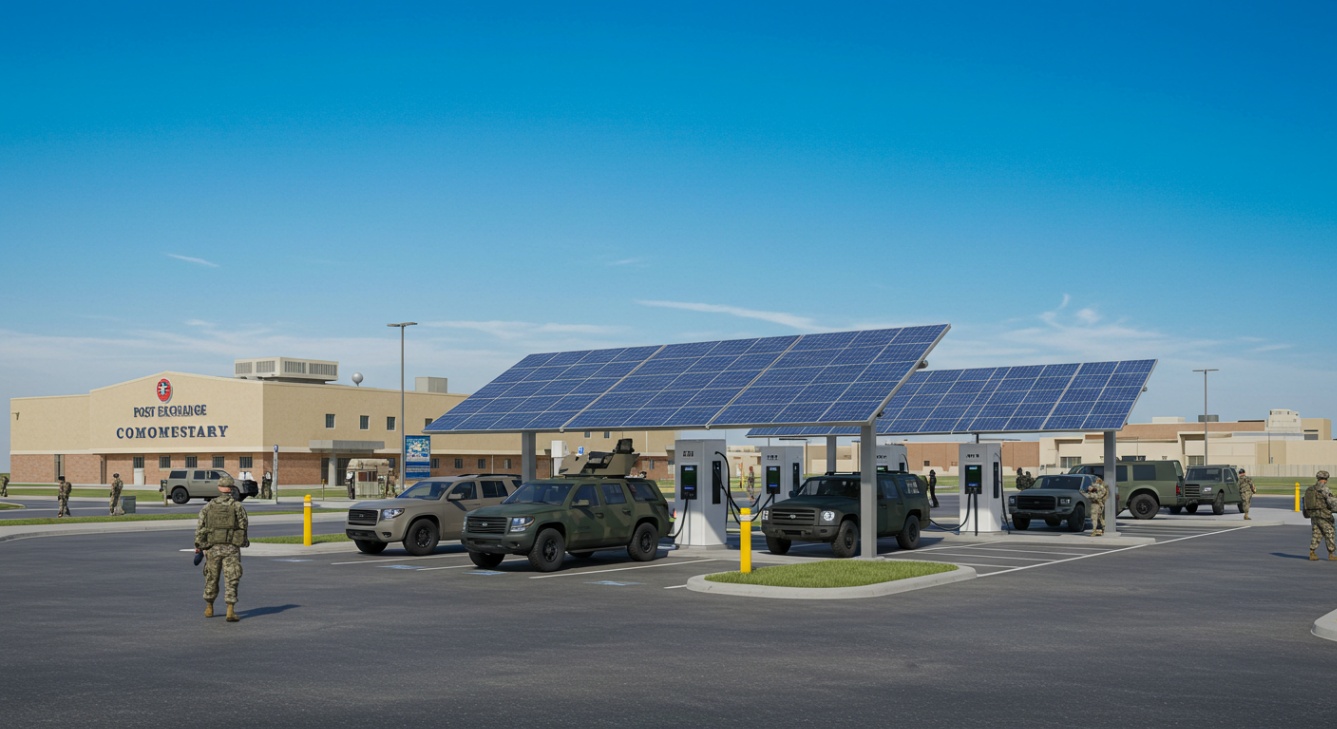
Off-grid solar carports with integrated battery storage and propane backup systems don't just meet NEVI requirements: they often exceed them. Here's how:
Power Output Compliance: Modern solar carport systems can easily deliver 150+ kW charging speeds through advanced power management systems. Dual-axis solar tracking maximizes energy production, while high-capacity battery storage ensures consistent power delivery regardless of weather conditions.
Reliability Standards: The 97% uptime requirement that challenges grid-connected stations becomes achievable through redundant power systems. Solar generation, battery storage, and propane backup create multiple layers of reliability that often surpass traditional grid connections.
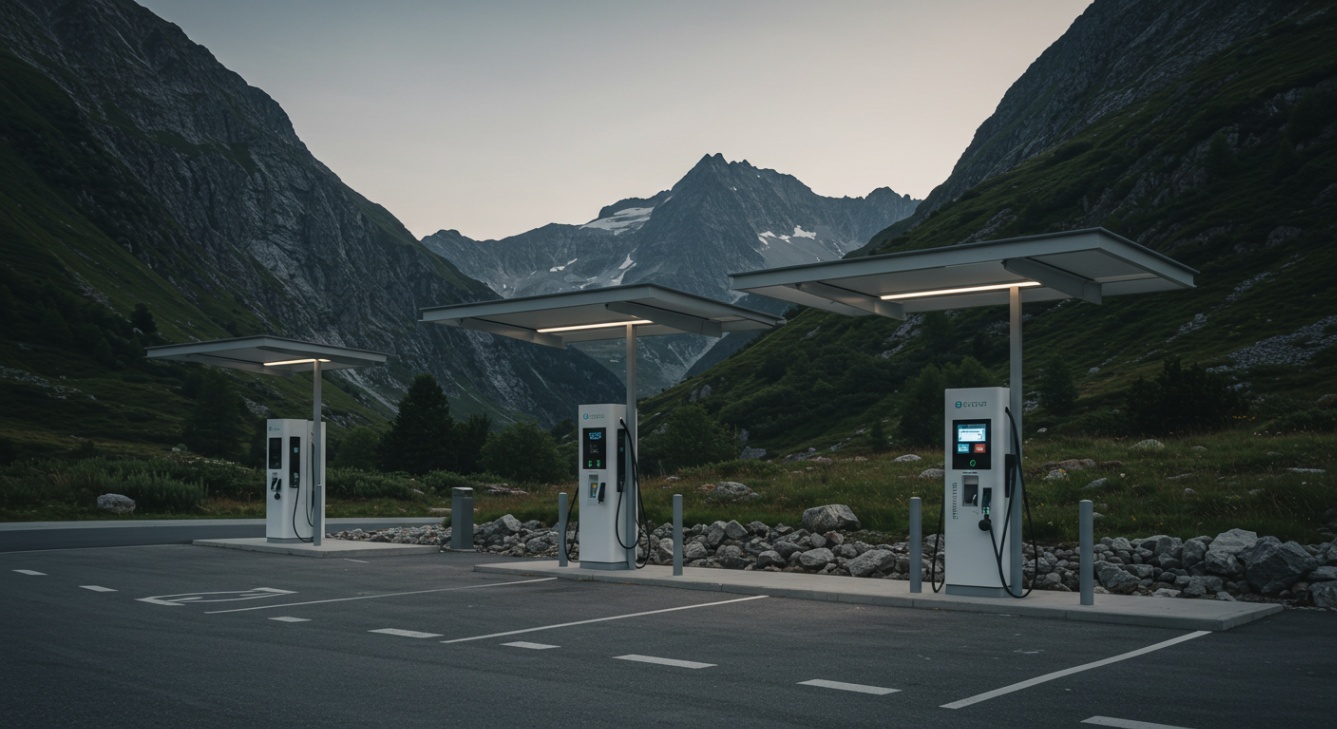
Accessibility Advantages: Off-grid systems can be deployed anywhere, making previously impossible locations suddenly viable for NEVI funding. Remote highway corridors, national park entrances, and rural government facilities become accessible without costly utility extensions.
Meeting Buy America Provisions
NEVI's Buy America requirements mandate that steel, iron, and manufactured products used in charging infrastructure must be produced domestically. Off-grid solar carport systems offer significant advantages here:
- American Solar Manufacturing: Leading U.S. solar manufacturers like First Solar provide domestically produced panels that meet Buy America standards
- Structural Components: Steel carport frames and mounting systems can be sourced from American manufacturers
- Battery Technology: Growing domestic battery production, including facilities in Ohio, Michigan, and Texas, supports Buy America compliance
- Charging Hardware: Major EV charger manufacturers have established U.S. production facilities to meet federal requirements
Rural and Hard-to-Serve Region Advantages
The NEVI program specifically targets underserved communities and rural areas where traditional grid infrastructure is limited or unreliable. Off-grid solutions address these challenges directly:
Cost Effectiveness: Eliminating utility connection fees, transformer installations, and ongoing demand charges can reduce total project costs by 30-50%. This improved cost structure makes NEVI funding stretch further and enables more projects.
Faster Deployment: Off-grid systems bypass lengthy utility interconnection processes, reducing project timelines from 18-24 months to 6-9 months. This accelerated deployment helps states meet their NEVI spending deadlines.
Grid Independence: Rural areas prone to power outages benefit from completely independent charging infrastructure. During natural disasters or grid failures, off-grid stations continue operating when communities need them most.
Technical Implementation for NEVI Compliance
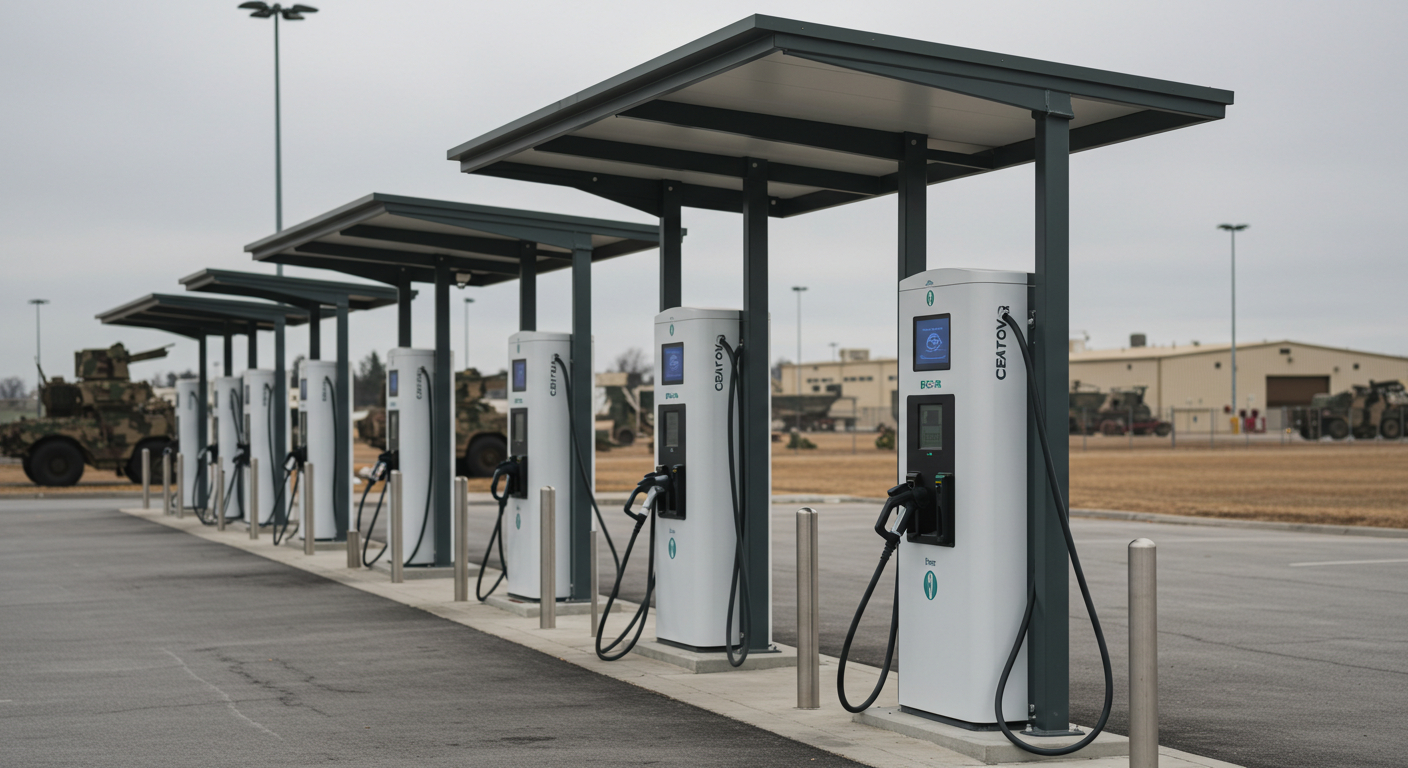
Successfully implementing NEVI-compliant off-grid systems requires careful attention to technical specifications:
Power Management Systems: Advanced inverters and charge controllers optimize energy flow between solar arrays, battery storage, propane generators, and EV chargers. Smart load balancing ensures maximum charging speeds while maintaining system stability.
Battery Storage Sizing: Properly sized battery banks provide 24-48 hours of charging capability without solar input. Lithium iron phosphate (LiFePO4) batteries offer the durability and cycle life needed for commercial applications.
Propane Backup Integration: Natural gas or propane generators provide extended runtime during periods of low solar production or high demand. Automatic switching ensures seamless operation without user intervention.
Communication Systems: Satellite or cellular connectivity enables real-time monitoring, payment processing, and maintenance alerts required for NEVI compliance.
Financial Benefits Beyond Initial Funding
While NEVI funding covers up to 80% of eligible project costs, off-grid systems provide additional financial advantages:
Operating Cost Savings: Eliminating monthly utility bills and demand charges can save $2,000-5,000 per month per location. Over a 20-year project lifecycle, these savings often exceed initial equipment costs.
Revenue Generation: Excess solar energy can power adjacent facilities or be stored for peak demand periods, creating additional revenue streams.
Tax Incentives: Federal investment tax credits (ITC) and accelerated depreciation provide additional financial benefits for off-grid renewable energy systems.
State Implementation Strategies
States successfully implementing off-grid NEVI projects follow several best practices:
Corridor Planning: Identifying gaps in Alternative Fuel Corridors where grid connection is impractical or cost-prohibitive. These locations become prime candidates for off-grid solutions.
Utility Coordination: Working with local utilities to identify areas where off-grid deployment reduces grid stress and improves overall system reliability.
Permitting Streamlining: Developing expedited permitting processes for off-grid renewable energy projects helps accelerate deployment timelines.
Maintenance Planning: Establishing regional service networks ensures consistent uptime and compliance with NEVI operational requirements.
Overcoming Common Implementation Challenges
Government agencies considering off-grid NEVI projects often face similar concerns:
Technical Reliability: Modern off-grid systems include redundant power sources and remote monitoring capabilities that often provide higher reliability than grid-connected alternatives.
Maintenance Complexity: While off-grid systems have more components, they're designed for minimal maintenance. Remote monitoring systems alert technicians to issues before they impact operations.
Initial Costs: Higher upfront equipment costs are offset by NEVI funding and long-term operational savings. Total cost of ownership typically favors off-grid solutions in rural locations.
The Path Forward
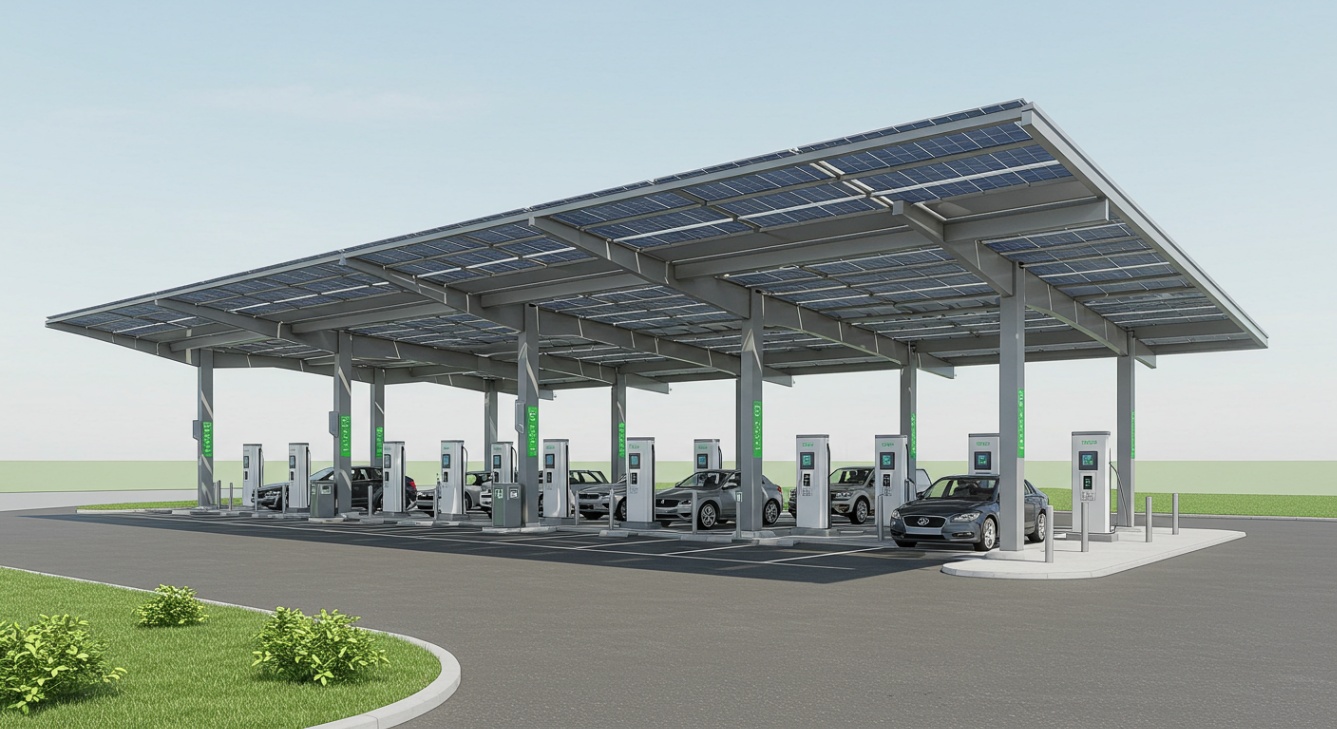
As states continue deploying NEVI funding, off-grid solutions are becoming essential tools for achieving program goals. They enable charging infrastructure in previously impossible locations while often providing better economics and reliability than traditional approaches.
The combination of federal funding, advanced technology, and operational benefits makes off-grid solar carports with propane backup the logical choice for rural and hard-to-serve regions. Government agencies ready to explore these solutions should start with a comprehensive site assessment and feasibility study to identify the best opportunities for NEVI-funded off-grid deployment.
For agencies considering off-grid EV charging projects, the time to act is now. NEVI funding deadlines are approaching, and early movers are securing the best locations and vendor partnerships. The future of rural EV infrastructure is off-grid, solar-powered, and ready for deployment today.

