

Government agencies across the United States are investing billions of dollars in electric vehicle charging infrastructure, yet many are falling short of their goals. Recent revelations from the General Services Administration (GSA) and slow progress under federal programs highlight systemic problems that you must address to avoid wasting taxpayer money and delaying the transition to clean transportation.
The stakes are higher than ever. With federal mandates pushing agencies toward electrification and public scrutiny intensifying, you cannot afford to repeat the mistakes that have already cost millions in wasted spending and years of delays. Understanding these critical errors will help you implement effective EV charging solutions that serve your mission while maximizing public investment.
Mistake #1: Installing Charging Stations Without Mission-Critical Justification
Your agency's biggest vulnerability lies in deploying charging infrastructure without establishing clear operational necessity. The GSA's 2025 directive that canceled $23 million worth of charging projects exposed a fundamental flaw: agencies were installing stations simply because funding was available, not because they served essential functions.
You must conduct thorough needs assessments before any installation. Document how charging infrastructure directly supports your agency's core mission, whether that's fleet operations, employee needs, or public service delivery. Create usage projections based on actual vehicle inventory and deployment patterns, not aspirational goals.
Establish clear metrics for success before breaking ground. Define minimum utilization rates, operational requirements, and maintenance standards that justify the investment. This proactive approach protects you from future budget cuts and ensures sustainable operations.

Mistake #2: Underestimating Implementation Timeline and Complexity
Government agencies consistently fail to account for the multi-layered approval processes and coordination challenges inherent in EV charging projects. The National Electric Vehicle Infrastructure (NEVI) program's slow progress: only 19 charging stations completed after three years: demonstrates the consequences of this oversight.
You must build realistic timelines that account for environmental reviews, procurement regulations, utility interconnection processes, and stakeholder coordination. Plan for 18-24 months minimum from project initiation to operational status, not the 6-12 months often assumed in initial planning.
Create detailed project management frameworks that identify all required approvals, permits, and coordination points early in the process. Assign dedicated project managers with authority to navigate regulatory requirements and maintain momentum through bureaucratic challenges.
Mistake #3: Poor Coordination Between Agencies and Utilities
Utility interconnection represents one of the most significant bottlenecks in government EV charging projects, yet agencies repeatedly fail to engage utilities early in the planning process. Rural and suburban locations face particular challenges when existing grid infrastructure cannot handle fast-charging demands.
You must initiate utility conversations during the preliminary planning phase, not after site selection and design completion. Schedule pre-application meetings to understand grid capacity, upgrade requirements, and interconnection timelines specific to your proposed locations.
Develop partnerships with your local utility providers that extend beyond individual projects. Create framework agreements that streamline future installations and establish preferred processes for government agency projects. This relationship-building investment pays dividends across multiple initiatives.
Mistake #4: Ignoring Reliability and Maintenance Requirements
Government-funded charging stations suffer from the same reliability problems affecting the broader charging network, with nearly 25% of fast-charging stations experiencing operational issues at any given time. Your agency cannot assume that installation equals successful operation without ongoing maintenance protocols.
You must establish comprehensive maintenance agreements before installation completion. Define response time requirements, parts availability guarantees, and performance standards in your procurement documents. Include penalties for downtime that affects your operations or public access commitments.
Create monitoring systems that provide real-time operational status and usage analytics. This data enables proactive maintenance scheduling and helps identify patterns that could indicate design or installation problems requiring contractor remediation.
Mistake #5: Selecting Inappropriate Locations and Site Configurations
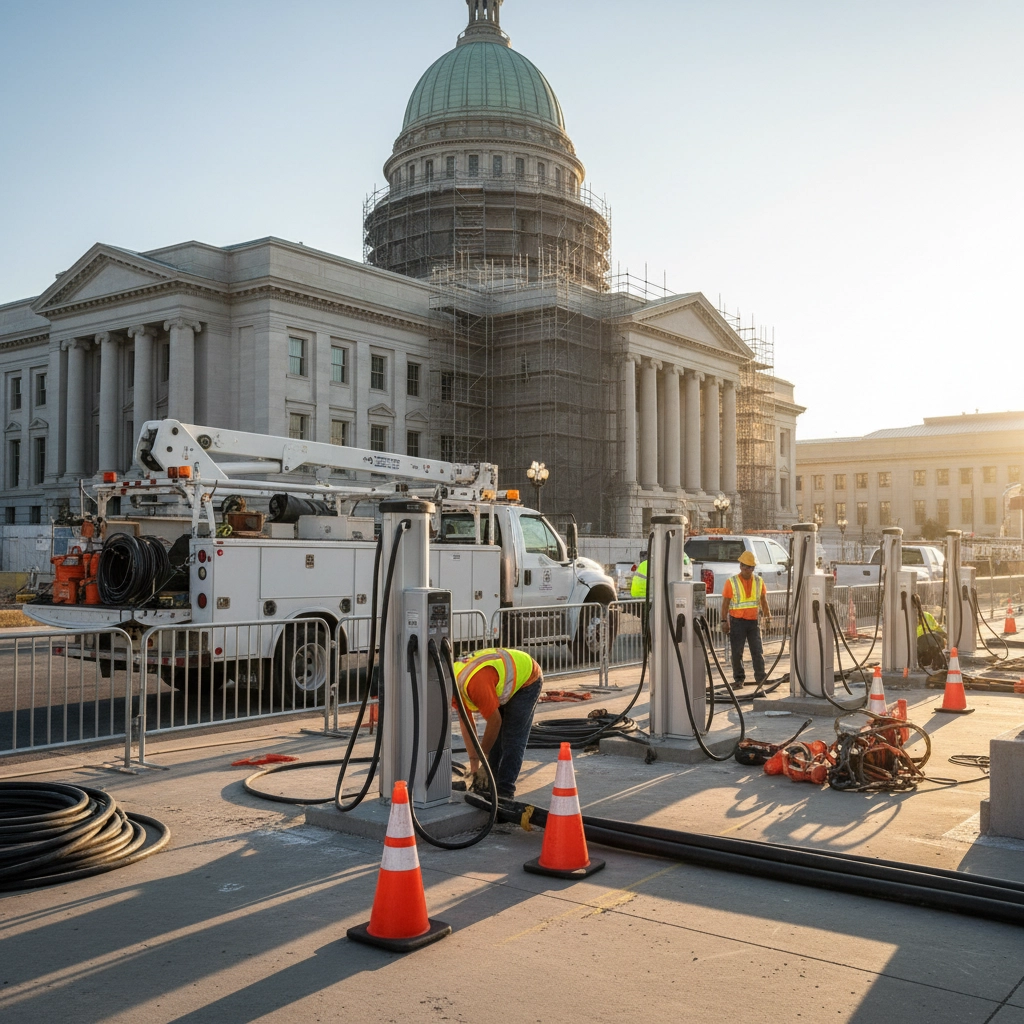
Location decisions often prioritize convenience or cost over operational effectiveness, leading to underutilized infrastructure that fails to serve intended users. Federal restrictions that prohibit charging stations at highway rest stops force agencies into suboptimal private locations that complicate access and increase costs.
You must conduct thorough site analysis that considers user accessibility, grid connectivity, future expansion potential, and operational security requirements. Evaluate traffic patterns, parking availability, and proximity to primary destinations that your target users frequent.
Design installations with flexibility for future technology upgrades and capacity expansion. Avoid minimum-viable configurations that cannot adapt to changing vehicle technologies or increased demand. This forward-thinking approach extends asset life and improves long-term value.
Mistake #6: Inadequate Budgeting for Total Cost of Ownership
Initial installation costs represent only a portion of EV charging infrastructure expenses, yet government agencies consistently underestimate ongoing operational costs including electricity, maintenance, insurance, and eventual replacement. This shortsighted approach leads to budget shortfalls and operational compromises.
You must develop comprehensive total cost of ownership models that project expenses over the equipment's full lifecycle. Include electricity costs, routine maintenance, major repairs, technology upgrades, and end-of-life disposal or replacement costs in your financial planning.
Establish dedicated funding mechanisms for ongoing operations rather than relying on general appropriations that face annual budget pressures. Consider revenue-sharing arrangements with charging network operators or user fees that support sustainable operations while maintaining mission focus.
Mistake #7: Failing to Leverage Available Expertise and Resources
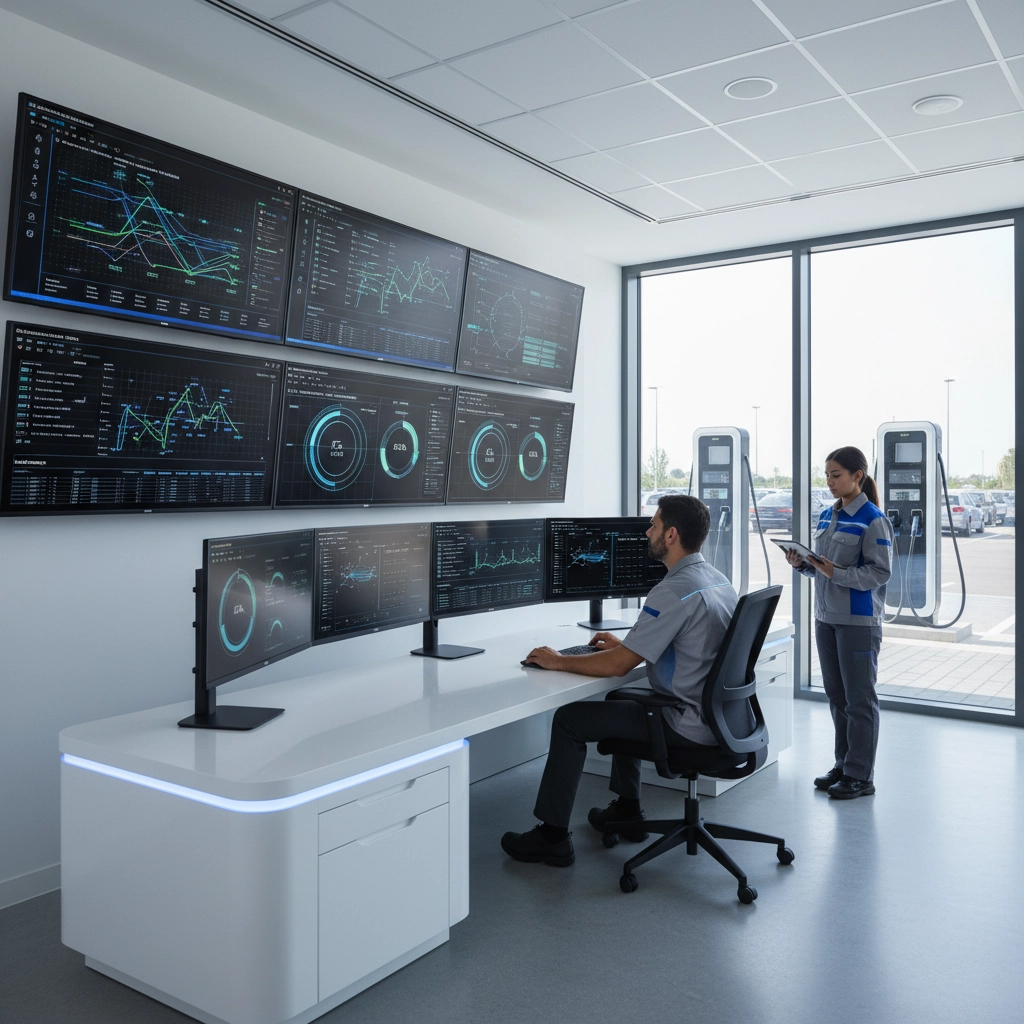
Government agencies often attempt to manage complex EV charging projects with internal staff lacking specialized knowledge in electrical systems, utility interconnection, and charging network operations. This approach increases costs, extends timelines, and reduces success probability.
You must identify and engage qualified partners who bring demonstrated expertise in government EV charging projects. Seek contractors with experience navigating federal procurement requirements, environmental compliance, and utility coordination specific to your jurisdiction.
Utilize resources from organizations like the Department of Energy, Environmental Protection Agency, and GSA that provide technical assistance, best practices, and lessons learned from similar projects. These resources can prevent costly mistakes and accelerate project delivery.
Taking Action to Avoid These Costly Mistakes
Government agencies that successfully deploy EV charging infrastructure share common characteristics: they plan comprehensively, engage stakeholders early, and maintain focus on mission-critical objectives. You can achieve similar success by implementing systematic approaches that address each of these critical mistake areas.
Start by conducting honest assessments of your current projects and planned initiatives. Identify which mistakes may already be affecting your programs and develop corrective action plans that address root causes rather than symptoms.
Invest in building internal expertise or partnering with qualified external resources that can guide your agency through the complexities of EV infrastructure deployment. The upfront investment in proper planning and execution prevents the much larger costs of failed projects and wasted public resources.
Your agency's success in EV charging infrastructure directly impacts both your operational effectiveness and public perception of government competence in clean energy initiatives. By avoiding these seven common mistakes, you position your agency as a leader in sustainable transportation while ensuring responsible stewardship of taxpayer investments.

