

Military installations across the United States aren't just struggling with electric vehicle charging infrastructure: they're actively transforming their approach to fleet electrification. With over 50 installations already committed to comprehensive EV charging programs, the Department of Defense is leading one of the largest government fleet electrification initiatives in history.
The scale of these plans extends far beyond what most project managers in the civilian sector have encountered. You're looking at a coordinated effort involving hundreds of military installations, thousands of charging stations, and billions in infrastructure investment. Understanding how military bases are tackling these massive projects provides valuable insights for any organization planning large-scale EV infrastructure deployment.
Navy's Global Charging Network: 72 Installations Worldwide
The Navy is spearheading the most ambitious military EV charging program you'll see anywhere. Their plan encompasses 72 installations spanning the globe, including strategic locations in the Pacific, Europe, and Middle East. This isn't just a domestic initiative: you're looking at charging infrastructure planned for Bahrain, Italy, Japan, Guam, Guantanamo Bay, and Spain.
The Navy Exchange Service Command expects to release requests for proposals in the current fiscal year, with installation timelines requiring a minimum of 12 months once contracts are awarded. This global approach demonstrates how large organizations must think beyond immediate geographical constraints when planning EV infrastructure.
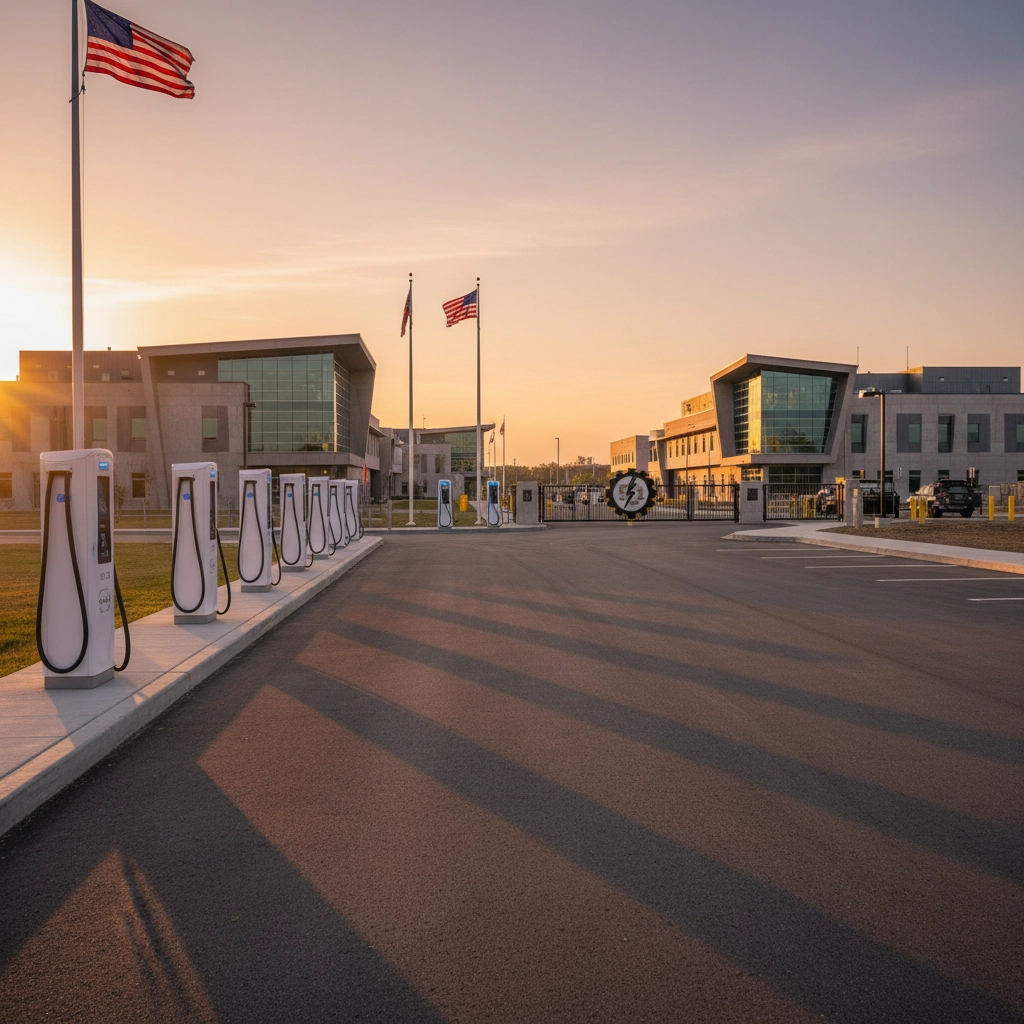
The complexity of managing 72 simultaneous installations requires sophisticated project management frameworks. Each location presents unique challenges, from local electrical grid capacity to international shipping logistics for equipment. The Navy's approach emphasizes standardized charging solutions that can be adapted to diverse operational environments.
Army Reserve's Enterprise-Wide Deployment Strategy
The Army Reserve has partnered with the Defense Innovation Unit to deploy approximately 2,800 electric vehicles across more than 760 facilities nationwide. This represents one of the largest coordinated EV infrastructure projects in federal government history.
You'll find this deployment strategy particularly interesting because it leverages production contracts that enable rapid rollout across the enterprise. Rather than managing hundreds of individual procurement processes, the Army Reserve created a streamlined approach that reduces administrative burden while maintaining quality standards.
The 760+ facilities involved in this initiative span every geographic region of the United States. This distributed approach requires careful coordination of electrical infrastructure upgrades, utility partnerships, and maintenance protocols across vastly different operational contexts.
Current Pilot Programs Delivering Results
The Department of Defense has already completed initial pilot programs that provide real-world data for larger deployments. The Defense Innovation Unit successfully installed electric vehicle supply equipment at 10 bases, providing a total of 234 chargers with a strategic mix of Level 2 and Level 3 charging capabilities.
These pilot installations serve as critical proof-of-concept projects that inform broader deployment strategies. You can learn from their approach of allocating charging infrastructure based on specific mission needs rather than applying uniform solutions across all installations.
The Army and Air Force Exchange Service opened their first charging station at Luke Air Force Base in Arizona. This pilot program focuses on gathering usage pattern data and operational insights that will guide expansion to additional installations. The data-driven approach ensures that future deployments optimize both user experience and return on investment.
Infrastructure Challenges Military Installations Face
Military bases encounter unique infrastructure challenges that civilian organizations rarely experience. Buildings require significant service upgrades to accommodate increased electrical loading, campus distribution systems need comprehensive upgrades, and coordination with utilities becomes critical for determining power supply capability.
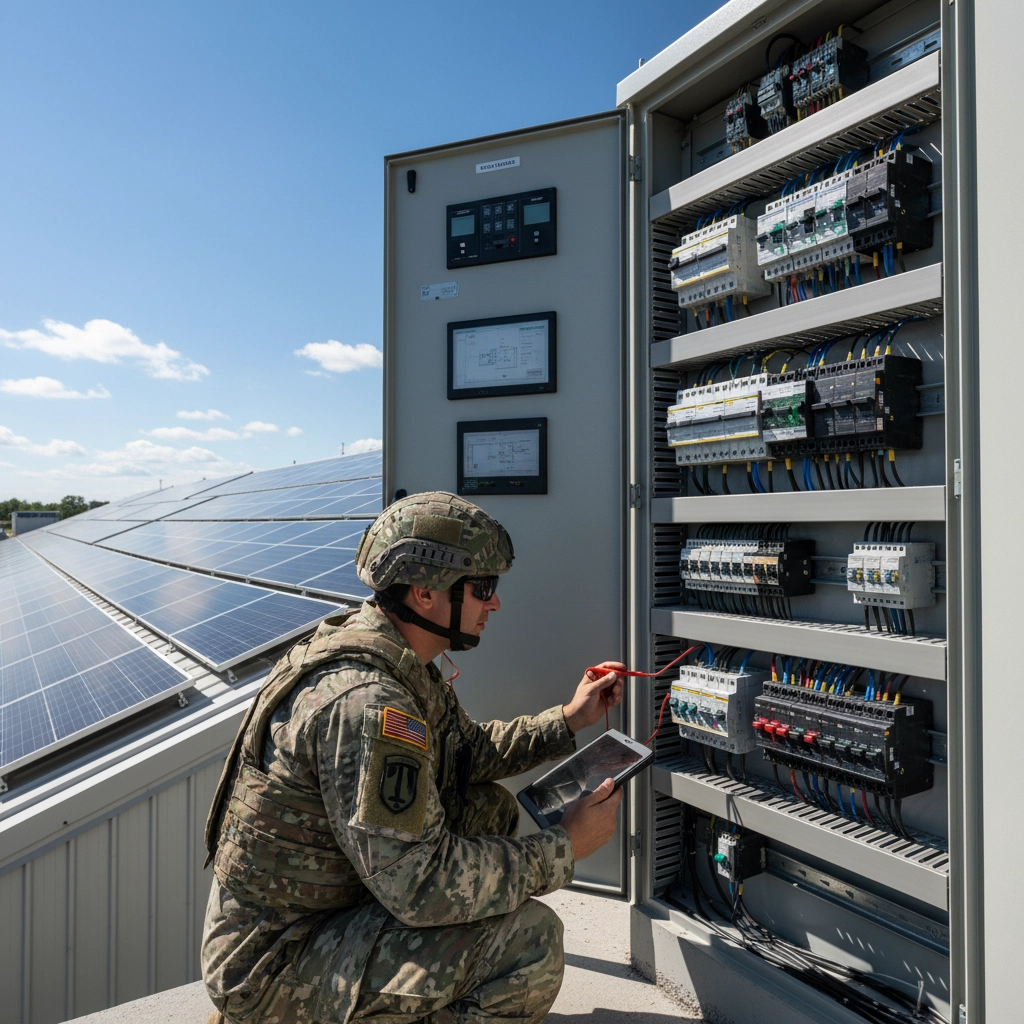
You'll discover that military installations approach these challenges systematically. At five of the 20 military bases supported by TranSystems, service leadership opted for solar arrays and battery storage to enhance sustainability and grid independence. This dual approach addresses both immediate charging needs and long-term energy security concerns.
The electrical master planning process that military installations employ provides a framework for identifying potential issues before they impact operations. This proactive approach determines optimal phased implementation strategies that minimize disruption while ensuring adequate charging capacity for growing EV fleets.
Military Housing Communities Embrace EV Charging
Military housing communities represent another significant deployment opportunity. Hunt Military Communities, the largest military housing owner serving over 165,000 residents, launched a pilot program providing Level-2 charging at four military bases: Barksdale Air Force Base, Fort Sam Houston, Joint Base Pearl-Harbor Hickam, and Marine Corps Base Hawaii.
This residential charging initiative addresses growing demand from military families who own electric vehicles. The pilot program demonstrates how large-scale housing operators can integrate EV charging infrastructure into existing residential communities without major construction disruptions.

The residential charging model provides insights for civilian property managers and housing developers. Military housing communities must balance resident convenience with infrastructure costs, operational maintenance, and electrical grid capacity: challenges that translate directly to civilian residential developments.
Federal Mandates Driving Aggressive Timelines
The push for military EV infrastructure stems from federal mandates requiring that by 2030, half of all vehicles purchased for government agencies must achieve zero emissions. By 2035, all new fleet vehicles must meet this standard.
These mandates create aggressive timelines that require sophisticated project management approaches. Production contracts are currently underway with the Army Reserve and Department of the Air Force, while the Navy and Marine Corps plan to follow with their own production contracts after completing initial projects.
You'll find that military installations manage these compressed timelines through standardized procurement processes, pre-approved vendor lists, and coordinated deployment schedules. This approach reduces decision-making delays while ensuring consistent quality across multiple installations.
Strategic Implementation Approaches
Military installations employ phased implementation strategies that civilian organizations can adapt for their own projects. The systematic approach emphasizes comprehensive electrical master plans, utility coordination, and operational readiness assessments before beginning construction.
The Defense Innovation Unit's production contracts enable rapid scaling across multiple installations while maintaining cost efficiency. This centralized procurement approach reduces per-unit costs and streamlines vendor management across geographically distributed projects.
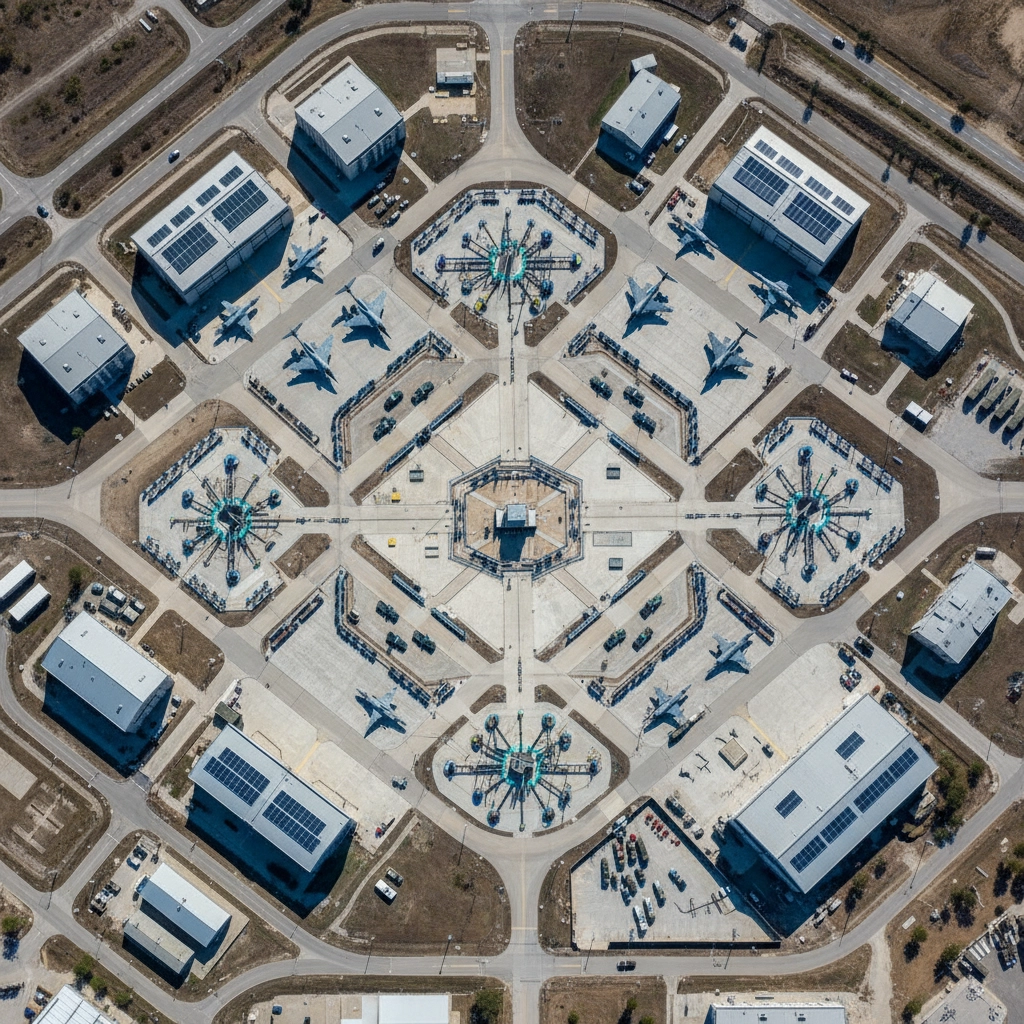
Project managers working on civilian EV infrastructure deployments can learn from the military's emphasis on standardization without losing operational flexibility. Each installation adapts standard charging solutions to meet specific mission requirements while maintaining compatibility with enterprise-wide management systems.
Project Management Insights for Civilian Applications
The military's approach to large-scale EV charging deployment offers valuable lessons for civilian project managers. Their emphasis on pilot programs, data-driven decision making, and phased implementation reduces risks while ensuring successful outcomes.
The coordination required for managing hundreds of simultaneous installations demonstrates the importance of robust project management frameworks. Military installations succeed by establishing clear communication protocols, standardized procurement processes, and centralized oversight with local execution authority.
You can apply these principles to smaller-scale civilian projects by emphasizing systematic planning, stakeholder coordination, and data-driven implementation strategies. The military's success with distributed deployment models provides a framework for organizations managing multiple locations or complex operational requirements.
The scale and complexity of military EV charging initiatives demonstrate that large-scale electrification projects are not only possible but actively succeeding. Their systematic approach to infrastructure challenges, aggressive timelines, and distributed deployment provides a roadmap for any organization planning significant EV charging infrastructure investments.

